You met someone who’s into kink, and it’s intense. Good intense, at first.
Then you start wondering if the intensity is about connection, or something else entirely.
That question, “is this healthy, or is this an addiction,” is one a lot of people ask themselves in kink relationships. It’s fair, and it deserves a real answer.
Yes, someone who struggles with compulsive sexual behavior can build a healthy relationship, but it takes honesty, professional support, and real accountability. BDSM interest on its own isn’t a sign of addiction. The concern only applies when sexual behavior feels out of control, causes harm, or continues despite serious consequences.
Let’s break down what separates a healthy kink identity from a compulsive pattern, and what a real relationship needs to work.

No, BDSM is not the same as sex addiction. BDSM describes a consensual interest in power exchange, sensation or restraint play between partners. Sex addiction more accurately called compulsive sexual behavior disorder, describes a pattern where sexual behavior feels out of control and causes real harm to a person’s life or relationships.
Plenty of people practice kink with full control over their choices. That’s a preference, not a disorder.The difference comes down to control, consent, and consequences, not the specific activity itself.
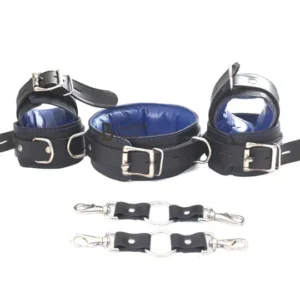
A BDSM relationship is one where partners consensually build parts of their dynamic around power exchange, sensation play, restraint or role-based structure think dominant/submissive roles, bondage or agreed-on control exchanges. The core things that make it work are the same across every version of it: clear consent, negotiated limits, honest communication, and safe words that either partner can use to slow down or stop.
A few things worth knowing:
Compulsive sexual behavior disorder was added to the World Health Organization’s ICD-11 as a recognized condition. It’s marked by a repeated failure to control intense sexual urges, even when it damages a person’s health, relationships or daily life.This isn’t about how often someone wants sex. It’s about whether they feel in control of that wanting.
Someone with this pattern often reports guilt, secrecy and a cycle they can’t break on their own.
A healthy kink identity involves full consent, clear communication, and behavior that stays within agreed boundaries. Partners negotiate limits ahead of time and check in during and after play.
There’s no secrecy involved. Both partners know what’s happening and why.
Desire is present, but it doesn’t override judgment or consent.
Signs the Pattern Might Be Compulsive
Secrecy is the biggest signal. Hiding behavior from a partner points to a control problem, not a kink preference.
Consequences keep piling up. Job loss, financial strain, or repeated broken trust are signs worth taking seriously.
The person feels unable to stop. Wanting to change but repeatedly failing to is a core marker of compulsive behavior.
Boundaries get pushed or ignored. Healthy kink respects limits every time. Compulsive behavior tends to erode them over time.
Yes, but it depends on a few things. Honesty has to come first, even when it’s uncomfortable.
Professional support makes a real difference. A therapist trained in both compulsive sexual behavior and kink-aware practice understands the difference between the two, which matters here.
Both partners need to agree on boundaries and accountability steps. Without that agreement, trust has nowhere to rebuild.
Recovery isn’t about eliminating desire. It’s about restoring a sense of control and honesty.
Certified sex addiction therapists (often listed under the credential CSAT) specialize in this exact area. Support groups, like those modeled after 12-step programs, also help many people stay accountable.
A kink-aware therapist matters here too. Someone unfamiliar with consensual kink might mistake healthy practices for the problem itself.
Bring up concerns early, using specific examples instead of accusations. “I’ve noticed this pattern” lands better than “you’re an addict.”
Ask questions instead of assuming. There’s a real difference between a high libido, an active kink identity, and a compulsive pattern.
Set a clear boundary for what you need to feel safe. That boundary might include therapy, transparency, or a change in behavior.
Assuming all kink interest is a red flag. Most people who practice kink do so with full control and consent.
Ignoring repeated broken trust. A pattern of dishonesty deserves attention, regardless of what’s driving it.
Trying to fix it alone. Compulsive sexual behavior responds best to professional support, not willpower alone.
Skipping the boundary conversation. Unclear expectations make it hard for either partner to know where they stand.
Is BDSM the same thing as sex addiction? No. BDSM is a consensual interest in power exchange or sensation play, while sex addiction describes a loss of control over sexual behavior that causes real harm.
Can someone recover from compulsive sexual behavior? Yes, with professional support like a certified sex addiction therapist and consistent accountability. Recovery focuses on restoring control, not eliminating desire.
How do you know if a sexual behavior is compulsive? Look for secrecy, repeated consequences, and an inability to stop despite wanting to. Consent and control are the deciding factors, not the activity itself.
Can a relationship survive sex addiction? Yes, when both partners commit to honesty, professional support, and clear boundaries. Trust rebuilds slowly, but it does rebuild with consistent effort.
what is bdsm relationship?
Look for a therapist trained in both areas if possible. This helps them tell the difference between a healthy kink identity and a compulsive pattern instead of assuming one implies the other.
Kink on its own isn’t a red flag. Loss of control, secrecy, and repeated harm are what actually signal a problem.
A relationship can work through this with honesty, the right professional support, and real accountability from both sides. It takes time, but it’s possible.
If you’re building a relationship on trust and things that last, that same mindset applies to what you bring into your space. Browse LeatherBond’s handmade leather collection for pieces made with the same care and honesty you’d want in a relationship.