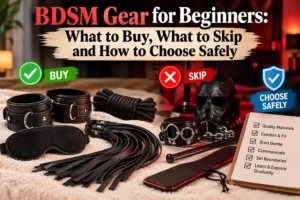
Shopping for bondage gear can feel overwhelming once terms like cuffs, restraints sets, and specialty ties start blending together. This guide breaks down the world of restraints cuffs, from single wrist restraints to full matched sets, covering materials, comfort, and safety so shoppers can choose gear that actually fits their experience level and the scene they have in mind.
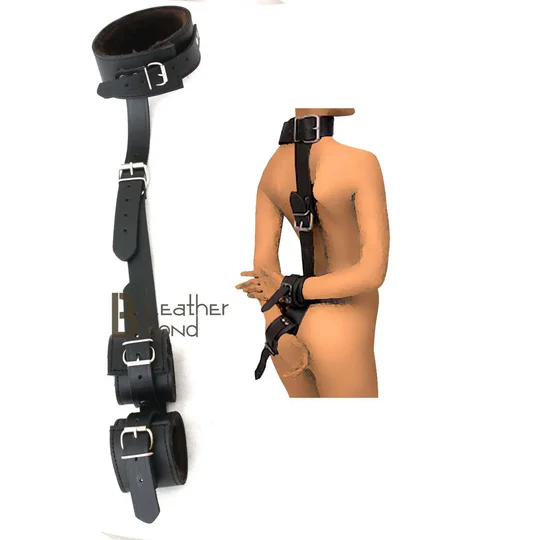
In this context, restraints refer to gear designed to limit movement during a consensual scene, typically wrist or ankle cuffs connected by straps, chains, or clips. They range from soft, beginner-friendly designs to rigid leather and metal-accented pieces built for more advanced play. It is worth noting this is distinct from restraint equipment used in unrelated fields, such as healthcare or law enforcement, since the construction, purpose, and safety standards are completely different.
The soft restraints vs hard restraints decision usually comes down to experience level and how much resistance a scene calls for.
Soft restraints are typically made from padded fabric, faux fur-lined straps, or lightweight vegan leather. They are forgiving on the skin, easy to adjust, and a common starting point for beginners who want the feeling of restraint without rigid hardware.
Hard wrist restraints step things up with full-grain leather, riveted D-rings, and buckled or locking closures. They hold their shape, resist stretching, and are built for longer scenes or more intense pulling and tension. They also tend to look and feel more substantial, which some couples prefer for the visual and psychological weight of the gear.
Wrist restraints are the most commonly purchased piece in this category, and quality varies widely between brands.
Ankle cuffs restraints follow the same construction principles as wrist versions but are typically wider and more heavily padded, since ankles bear more pressure during extended positioning. A matched pair of wrist and ankle cuffs is often the foundation of a full restraint set, allowing for spreader bar use or four-point tie-downs later on.
The material of a restraint affects its comfort, durability, appearance, maintenance, and overall feel. There is no single material that is best for everyone the right choice depends on your budget, how often you plan to use the restraints, and how much maintenance you are comfortable with.
Genuine leather is durable, structured, and develops a softer feel over time when properly cared for. It is a popular choice for buyers who want long-lasting restraints with a traditional leather appearance.
Best for: Buyers who prioritize durability, structure, and the classic leather look.
Advantages:
Things to consider:
Genuine leather is also porous, so it should be treated as a material that needs careful cleaning rather than something that can be fully sterilized.
Faux leather, often made from materials such as PU or PVC, is designed to provide a leather-like appearance without using animal leather. It is generally easier to wipe clean and is often more affordable than genuine leather.
Best for: Buyers who want the leather look with lower upfront cost and simpler surface cleaning.
Advantages:
Things to consider:
For faux leather, gentle surface cleaning and thorough air-drying are generally preferable; avoid assuming that products designed for genuine leather are suitable for PU or PVC.
Fabric restraints can include materials such as nylon, cotton, canvas, or padded textiles. They are often lightweight and can feel softer against the skin than rigid materials.
Best for: Buyers who prioritize softness, flexibility, lightweight construction, or a lower-cost option.
Advantages:
Things to consider:
Soft does not automatically mean safer. Fit, construction, adjustability, and the condition of the hardware are still important regardless of the material.
| Feature | Genuine Leather | Faux Leather | Fabric |
|---|---|---|---|
| Durability | High when maintained | Moderate to high, depending on quality | Varies by fabric and construction |
| Comfort | Can become softer with use | Usually smooth and structured | Often soft and flexible |
| Maintenance | Higher | Lower | Usually moderate |
| Water resistance | Low | Generally better surface resistance | Depends on fabric |
| Price | Usually higher | Usually lower | Often budget-friendly |
| Appearance | Classic leather look | Leather-like appearance | More casual/varied |
| Best for | Long-term durability | Easy-care leather look | Softness and flexibility |
Choose genuine leather if durability, structure, and traditional leather feel are your priorities and you are willing to maintain the material.
Choose faux leather if you want a leather-like appearance, easier surface cleaning, and a lower upfront cost.
Choose fabric if softness, flexibility, lightweight construction, or budget is more important to you.
Whichever material you choose, pay attention to the fit, stitching, hardware, adjustability, and release mechanism. Material alone does not determine the quality or suitability of a restraint.
Cobra cuffs disposable restraints are a lightweight, single-use or limited-use option, originally adapted from quick-cinch tactical-style cuffs. They are inexpensive, easy to apply one-handed, and convenient for travel or occasional use, though they lack the padding and durability of leather restraints meant for repeat use. They work best as a novelty or backup option rather than a primary investment piece.
A restraint set bundles matching wrist and ankle cuffs, and sometimes a connecting hardware, at a lower combined price than buying each piece separately. Individual pieces make more sense for those who already own some gear and want to fill a specific gap, such as adding ankle cuffs to an existing pair of wrist restraints.
| Option | Best For | Typical Contents |
|---|---|---|
| Restraint Set | First-time buyers, full setups | Matching wrist cuffs, ankle cuffs, sometimes a hogtie clip |
| Individual Cuffs | Replacing or adding to existing gear | One pair of wrist or ankle restraints |
| Disposable/Cobra Cuffs | Travel, occasional use | Lightweight single-use cuffs |
Knowing how to wear handcuffs or leather cuffs correctly matters as much as picking the right style.
Knowing how to maintain handcuffs and leather restraints extends their life significantly.
What is the difference between soft restraints and hard restraints?
Soft restraints use padded, flexible materials suited to beginners, while hard restraints use rigid leather and metal hardware for more intense or extended play.
Are cobra cuffs disposable restraints reusable?
Most are built for limited use rather than long-term durability, making them better suited to travel or occasional scenes than as a primary set.
Is a restraint set better than buying wrist restraints and ankle cuffs separately?
A set is usually more cost-effective for someone starting from scratch, while individual pieces make more sense for filling gaps in an existing collection.
How tight should wrist restraints be?
Snug enough to prevent slipping out, but loose enough to fit two fingers underneath comfortably, with circulation checked periodically during use.
Choosing between soft and hard restraints, individual cuffs, or a full set comes down to comfort level, experience, and how the gear will actually be used. Quality construction, from padded linings to solid hardware, makes the biggest difference in comfort and durability over time. For handmade leather cuffs and restraint sets built to last, LeatherBond offers a range of options designed for both beginners and experienced users.