Starting with BDSM gear can feel overwhelming. There are restraints, cuffs, collars, blindfolds, bondage kits, impact tools and many different materials and designs to choose from. The good news is that you do not need a large collection to get started.
For beginners, the best approach is to choose a small amount of versatile, easy-to-understand gear and learn how each item works before moving on to more advanced equipment.
This guide explains what BDSM gear beginners should consider first, what features to look for, what equipment may be better left for later and how to build a beginner-friendly collection around safety, communication and personal preferences.
BDSM gear is equipment used during consensual BDSM activities. Depending on the type of activity, it can include restraints, cuffs, collars, blindfolds, bondage accessories, impact-play equipment and other specialized items.
Not every piece of BDSM equipment is appropriate for a beginner.
The right starting point depends on your experience, comfort level, the type of play you are interested in and how well you understand the safety considerations associated with the equipment.
That is why buying the biggest or most complicated BDSM kit is not necessarily the best way to start.
Before buying anything, think about four basic questions:
BDSM is a broad category. Some people are primarily interested in bondage and restraint, while others are more interested in sensory play, role-based dynamics, or impact play.
Your first purchases should match the type of experience you actually want to explore.
Beginners generally benefit from equipment with simple designs and straightforward release mechanisms.
For example, adjustable cuffs with a quick-release feature are easier to understand than complicated restraint systems that require specialized knowledge.
Look for sturdy construction, secure attachment points, adjustable sizing and materials that are appropriate for their intended use.
Avoid choosing equipment simply because it looks impressive in a product photograph.
This is particularly important with restraints.
A beginner-friendly restraint should allow you to release it promptly if someone becomes uncomfortable or if circulation, breathing or movement becomes a concern.
You do not need every type of BDSM equipment at once. A small starter collection is often easier to understand and use.
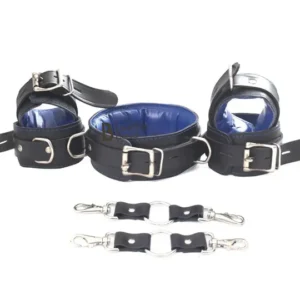
Cuffs are one of the most common starting points for people interested in bondage.
When choosing cuffs, look for:
Avoid fastening restraints so tightly that they cause numbness, tingling, discoloration, pain, or other signs of circulation problems.
Regularly checking comfort and circulation is more important than keeping a restraint in place for a specific amount of time.
A blindfold is a simple way to explore sensory changes without introducing complicated restraint techniques.
For a beginner, choose one that:
Because vision is temporarily restricted, communication becomes particularly important.
The person wearing the blindfold should be able to communicate clearly and have an agreed way to stop the activity.
A carefully selected bondage kit can be convenient because several compatible pieces are packaged together.
However, do not assume that every kit is beginner-friendly.
Before buying a kit, check:
A smaller, well-designed kit can be more useful than a large collection of unfamiliar equipment.
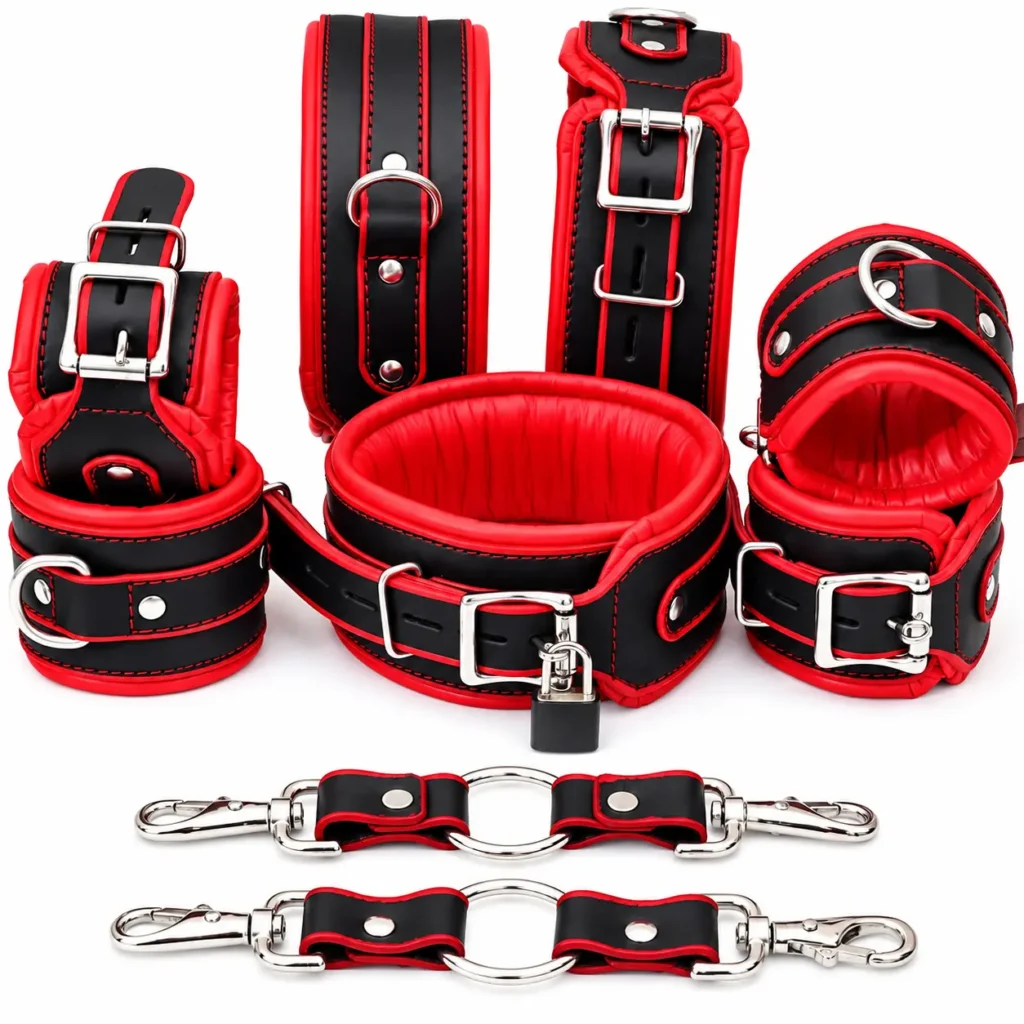
Collars can have different meanings depending on the people using them.
For some, a collar is primarily symbolic. For others, it may form part of a consensual power-exchange dynamic.
Beginners should choose a collar based on comfort, fit, construction, and intended purpose rather than simply appearance.
Never assume that wearing a collar means someone has agreed to anything else. Consent should always be specific and ongoing.
Impact play requires more care than simply buying an object and using it.
If you are new to impact play, learn about anatomy, communication, intensity, and safer target areas before experimenting with specialized equipment.
Do not begin with equipment that you do not understand.
A useful beginner principle is:
Learn the safety basics before increasing intensity.

Some equipment and activities have a much steeper learning curve.
That does not mean they are automatically unsuitable for everyone. It means they deserve proper education and experience before use.
Beginners should be particularly cautious about:
Rope can create circulation and nerve-related risks when applied incorrectly. Learning appropriate techniques and having suitable safety tools available is important before attempting more complicated rope restraint.
Suspension introduces additional risks because the body is partially or fully supported by the equipment.
It should not be treated as an ordinary beginner bondage activity.
If you cannot explain how a restraint works, how it releases, and what risks it creates, you are not ready to use it.
Anything that interferes with breathing or prevents someone from communicating clearly requires especially careful consideration and appropriate knowledge.
When in doubt, choose simpler equipment.
Good BDSM gear cannot replace communication and judgment.
Before using equipment, partners should discuss:
A simple traffic-light system is commonly used:
The exact communication system can vary. What matters is that everyone understands it before starting.
BDSM equipment should not be treated as indestructible.
Before using restraints or other gear, inspect them for:
If a component looks damaged or unreliable, replace it rather than taking a risk.
Cleaning and storing equipment correctly can also help maintain its condition.
Material choice is another consideration when shopping for BDSM equipment.
Leather is popular because it can be durable, comfortable, and visually distinctive when properly made and maintained.
However, genuine leather requires appropriate care and may not be the right choice for everyone.
Synthetic materials can offer different advantages, including easier cleaning and potentially lower prices.
The important question is not simply whether one material is “better.”
Instead, consider:
Probably less than you think.
A beginner does not need a room full of equipment.
A simple starting collection might focus on one or two versatile items that allow you to learn the basics comfortably.
For example, someone interested primarily in bondage may start by learning how to use a suitable pair of cuffs before purchasing more specialized restraints.
Someone interested in sensory play may prefer a blindfold and other low-complexity accessories.
The goal should be understanding your equipment, not collecting as much of it as possible.
A large collection can make it harder to understand what you actually like.
A product can look attractive while still being poorly designed.
Pay attention to construction, materials, closures, and attachment points.
Incorrect sizing can turn otherwise useful equipment into an uncomfortable or unsafe purchase.
Always check the manufacturer’s sizing information.
No product can replace consent and communication.
Discuss boundaries before introducing new equipment.
Experience with simple equipment does not automatically mean that someone is prepared for advanced bondage, suspension, or other higher-risk activities.
Build knowledge alongside experience.
Before purchasing an item, ask:
Is it appropriate for my experience level?
Do I understand how it works?
Can it be released quickly if necessary?
Is the size appropriate?
Are the materials and construction suitable for its intended use?
Can I clean and store it properly?
Have I discussed its use with my partner?
If you cannot confidently answer these questions, research the equipment before buying it.
The best BDSM gear for beginners is not necessarily the most expensive, most advanced, or largest collection.
Start with equipment that matches your interests and experience level. Prioritize comfortable construction, appropriate sizing, reliable release mechanisms, and clear communication.
As you gain experience, you can gradually explore other categories and decide which equipment genuinely belongs in your collection.
Most importantly, remember that BDSM gear is only one part of the experience. Consent, communication, boundaries, preparation, and responsible use should come before the equipment itself.
There is no single best item for everyone. Beginners should generally start with simple, versatile equipment that matches their interests and can be used responsibly.
Start with one or two items related to the type of BDSM you want to explore rather than buying a large collection immediately.
A well-designed kit can be convenient, but check exactly what it contains and whether the included equipment is appropriate for your experience level.
Safety depends on the equipment, how it is used, the person’s knowledge, and the communication between participants. Always understand the risks of a product before using it.
Consider your experience level, intended use, fit, materials, construction, ease of release, cleaning requirements, and personal preferences before purchasing.
Yes, beginners can choose leather equipment when it is appropriate for their intended use and they understand how to fit, clean, maintain, and use it responsibly.