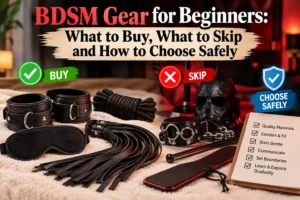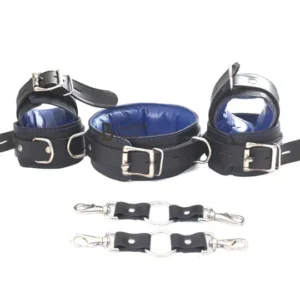
BDSM gear is equipment and accessories used during consensual BDSM activities. It can include restraints, cuffs, impact tools, blindfolds, collars and other products designed for bondage, sensation, role-play or power-exchange activities. Have you ever heard the word BDSM and felt a little confused? You are not alone. A lot of people hear this word and do not know what it really means. Some people even feel scared of it because of movies or rumors they have heard. In this article, we will explain BDSM to you in very simple words, step by step. We will also help you understand how to stay safe and have fun if you ever want to try it.
BDSM is a short word for three big ideas. Each letter in the word stands for something. Here is what each part means.
You do not need to do all three parts to enjoy BDSM. Many people only like one part, like bondage. Others like a small mix of all three parts together. It is your choice, and there is no wrong way to do it, as long as you and your partner are both happy.

You might wonder why anyone would want to try this. The answer is simple: BDSM feels good for many people, in the body and in the mind. Some people love the feeling of trust when they let go of control. Other people love the feeling of being in charge and taking care of their partner.
BDSM can also bring you and your partner closer together. When you talk about your wants and needs, you build trust. This trust can make your relationship feel stronger and more honest. Many couples say that BDSM helped them talk to each other better, not just in the bedroom, but in daily life too.
Bondage means tying or holding a person in one place. You can use tools like cuffs, rope, or restraints for this. It can feel exciting to be held still, or to hold someone still, if both people want it. Discipline means following simple rules that you and your partner agree on together.
If you are new to bondage, start small. Soft cuffs are a good first tool because they feel gentle on the skin. As you get more comfortable, you can try stronger gear like leather cuffs or rope. Keep something sharp nearby, like safety scissors, in case you need to cut a rope fast.Read More
This part of BDSM is about power. In every scene, one partner takes control, and the other partner gives up control for a while. The partner who is in charge is called the Dominant, or Dom for short. The other partner, who gives up control, is called the submissive, or sub for short.
This does not mean one partner is mean to the other. It is not about being cruel at all. It is about trust between two people who care about each other. You and your partner should always talk about this before you start, so both people know their role and feel good about it.
This part of BDSM is about feeling sensations on the body. Some people enjoy giving a light sting or a soft slap to their partner, and this is called sadism. Other people enjoy receiving that same feeling, and this is called masochism. Tools like paddles, floggers, and whips are often used for this kind of play.
You do not need to feel real pain to enjoy this part of BDSM. Many people just like a warm tap or a light sting on the skin. It can feel a lot like a deep massage if you use the right tool. It is all about what feels good to you and your partner, and everyone likes something a little different.
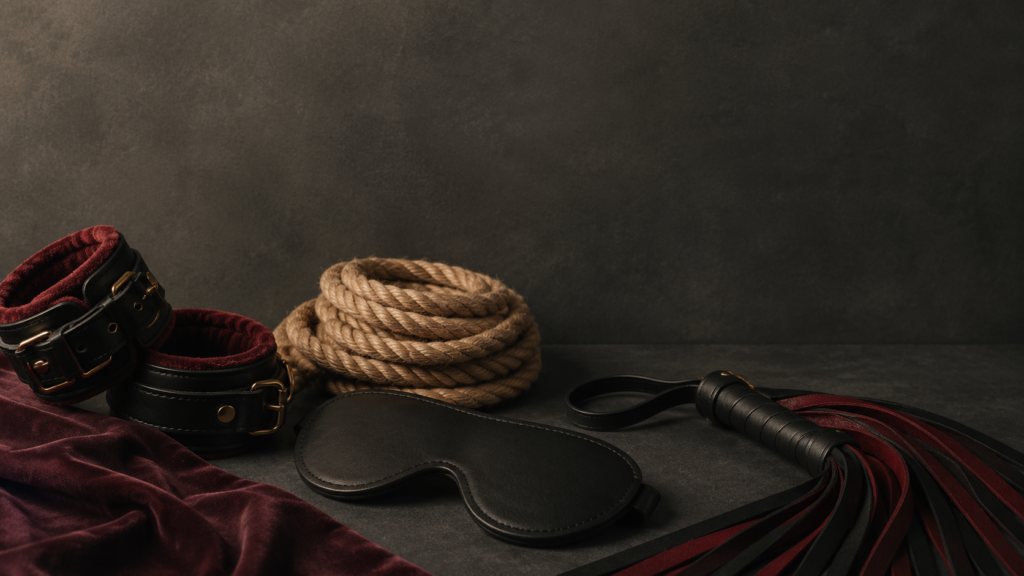
Before you try any BDSM activity, talk with your partner. This talk should happen when you are both calm, not in the middle of play. Talk about what excites you and what makes you feel unsure or scared.
This talk is sometimes called a negotiation, but do not let that word scare you. It just means you and your partner agree on rules together. You can talk about what tools you want to try, what parts of the body are okay to touch, and what your safe word will be.
Here are some simple questions you can ask each other:
Consent is the single most important word in BDSM. It means both people say yes before anything happens. Without full consent, it is not BDSM at all, it is just harm, and that is never okay.
Always ask before you try something new, even during play. Never force your partner to do anything they do not want to do. If your partner says stop, you must stop right away, with no arguing and no questions asked.
Here are simple consent rules to always follow:
A safe word is a special word that means “stop right now.” You and your partner should pick this word together before you start any play. It should be a word you would not say by accident during a scene, so a word like “stop” might not work well.
Many people use a simple system called the traffic light system. This system is easy for beginners to remember and use.
If your partner cannot speak, you can also use a hand signal or an object. For example, holding a small ball and dropping it can mean “stop” too. This helps when a gag or hood covers the mouth.
Aftercare happens after your BDSM play is finished. This is a caring time when you and your partner check on each other. It helps both people feel calm, safe, and loved again after an intense scene.
Aftercare can look different for every couple and that is fine. Some people like to cuddle quietly. Some people like to talk about how the scene felt. Some people just want a glass of water and a soft, warm blanket.
Here are some simple aftercare ideas you can try:
Skipping aftercare can leave your partner feeling sad or alone, even if the scene itself was fun. Make time for this step every time, even if you are tired. It is one of the kindest things you can do for your partner.
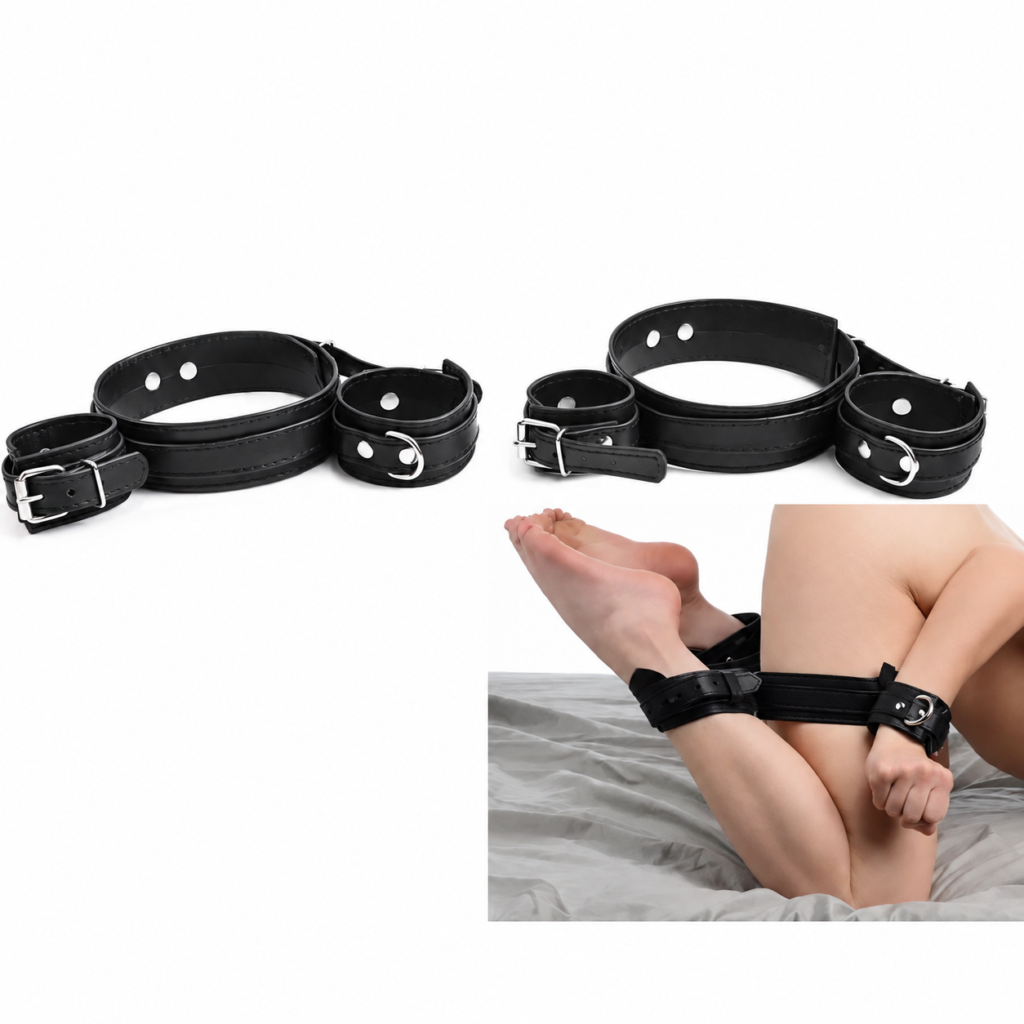
People in the BDSM world often use two short rules to help them make smart choices. These rules are simple, but they matter a lot for your safety.
SSC stands for Safe, Sane, and Consensual. This rule says every activity should be physically safe, done with a clear mind, and agreed on by both people ahead of time.
RACK stands for Risk-Aware Consensual Kink. This rule is a little different from SSC. It says that some BDSM activities carry small risks, and that is okay, as long as both people know about the risk and still say yes with a clear mind.
You do not need to pick just one rule to follow. Many people mix both ideas together. The main point of both rules is the same: know the risks, stay honest and always get a clear yes.
There are many wrong ideas about BDSM in movies and online. These wrong ideas can make BDSM seem scarier than it really is. Here are a few of the biggest ones, and the truth behind them.
If you are new to BDSM, you do not need to buy everything at once. Start small and pick one or two items that make you feel curious. Here is a simple list of gear that many beginners like to try first.
Choose gear made from good, soft material when you are just starting out. Cheap or rough gear can hurt your skin or break during play. Quality leather gear feels better on the skin and lasts a lot longer too, so it is often worth the extra cost.
Starting something new can feel a little scary, and that feeling is normal. You do not have to rush into anything at all. Take your time and go one small step at a time, at your own pace.
Here are some easy tips just for you:
BDSM gear refers to equipment and accessories used for consensual BDSM activities. It can include restraints, cuffs, collars, blindfolds, paddles, floggers, rope, harnesses and other specialized BDSM accessories. The right gear depends on the activity, experience level, comfort and personal preferences of everyone involved.
Common types of BDSM gear include restraints and cuffs, collars, bondage rope, blindfolds, paddles, floggers, crops, harnesses, spreader bars and BDSM kits. Different types of gear serve different purposes, such as restraint, sensory play, impact play, positioning or role-play.
No. BDSM gear is not necessary for BDSM. Many BDSM activities can be explored without specialized equipment. Gear can be useful when it supports a specific activity, but consent, communication, boundaries, and safety are more important than owning a large collection of BDSM equipment.
For beginners, simple and easy-to-use BDSM gear such as adjustable cuffs, comfortable blindfolds, or basic bondage accessories can be a practical starting point. Choose products that are easy to understand, fit properly, and can be released quickly. Beginners should avoid complex restraint systems or advanced equipment until they understand how to use them safely.
Not exactly. Bondage gear is a type of BDSM gear, but BDSM gear is a broader category. Bondage equipment is mainly designed for restraint or limiting movement and can include cuffs, rope, straps, collars, and spreader bars. BDSM gear can also include equipment for impact play, sensory play, role-play, and other activities.
The correct way to clean BDSM gear depends on its material. Follow the manufacturer’s care instructions and use a suitable cleaner for the specific material. Leather restraints require different care from silicone, metal, fabric, or synthetic materials. Allow gear to dry completely before storage, keep it away from excessive heat or moisture, and regularly inspect restraints, stitching, buckles and other hardware for signs of damage.
BDSM is about trust, care and open talking between you and your partner. It is not scary once you know the basic rules and take things one step at a time. Talk with your partner, pick a safe word, choose good quality gear and always put safety first.
There is no rush at all. You can try this at your own pace and in your own way, whatever feels right for you. The most important thing is that you and your partner feel safe, respected and happy every step of the way.