
What actually happens in BDSM?
BDSM tends to conjure a lot of images from movies and pop culture, most of which focus on the gear and skip the part that actually matters most: how it…
BDSM tends to conjure a lot of images from movies and pop culture, most of which focus on the gear and skip the part that actually matters most: how it works. In reality, BDSM is built on structure, communication, and consent far more than it is built on any specific act. This guide breaks down what actually happens, step by step, from the conversation before a scene to the care that happens after.
What Does BDSM Actually Stand For?
BDSM is an umbrella term made up of three overlapping pairs:
- Bondage and Discipline (B/D), covering physical restraint and structured rules or protocols
- Dominance and Submission (D/s), covering the psychological power dynamic between partners
- Sadism and Masochism (S/M), covering the giving and receiving of intense sensation
Most people who practice BDSM draw from more than one of these categories, mixing and matching based on what they and their partner enjoy.
Step One BDSM: Negotiation Happens Before Anything Else
Nothing in BDSM starts without a conversation first. Partners typically discuss:
Hard limits, meaning anything that is completely off the table, no exceptions.
Soft limits, meaning things that might be okay depending on mood, context, or how comfortable someone feels in the moment.
Roles, meaning who is taking the dominant or submissive position, and whether that is fixed or something both partners want to switch between.
Physical considerations, such as injuries, medical conditions or anything that might affect what is safe to do.
This negotiation can happen minutes before a scene or be an ongoing conversation in a long-term dynamic. Either way, it always comes first.
Step Two BDSM: A Safeword or Signal Gets Established
Because scenes can involve role play, restraint, or intense sensation, partners agree on a word or signal that means “stop” clearly and immediately, separate from anything that might be said in character during the scene itself.
A common system is the traffic light method:
- Red means stop completely
- Yellow means slow down or check in
- Green means everything is good, keep going
If someone is gagged or their hands are restrained, a non-verbal signal is used instead, such as dropping an object or tapping a set number of times.
Step Three BDSM: The Scene Itself
This is the part people usually picture, but it looks different for everyone. A scene might involve:
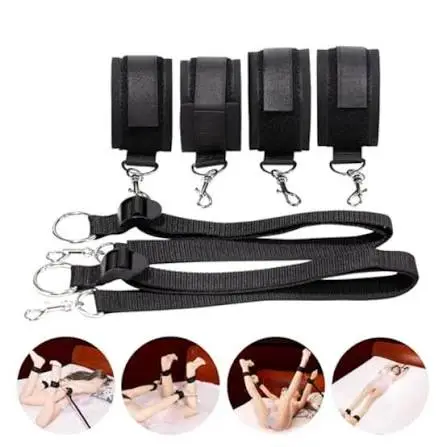
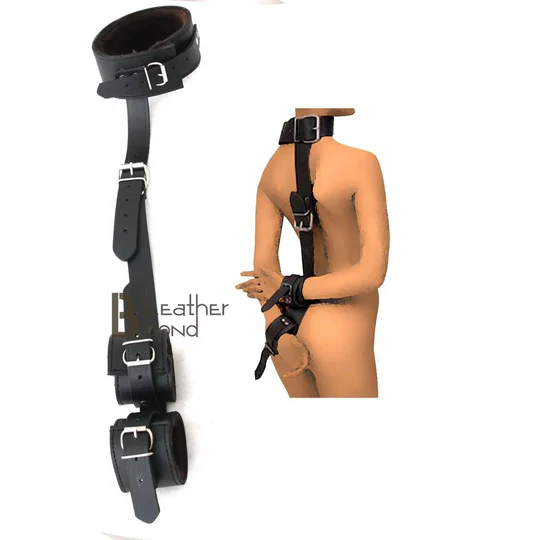
Bondage, using rope, cuffs, or an arm binder to restrict movement and shift the physical dynamic.
Impact play, using floggers, paddles, or slappers for sensation ranging from a light warm-up to a deep, thuddy strike.
Role dynamics, where one partner takes a dominant lead and the other follows agreed-on instructions or protocols.
Sensation play, which can include temperature, texture, or other stimuli outside of impact alone.
The specific combination depends entirely on what was negotiated beforehand. There is no fixed formula and plenty of scenes involve none of the more intense elements at all, focusing instead on psychological dynamics or simple restraint.
Step Four: Checking In During the Scene
Good communication does not stop once a scene begins. Partners often check in verbally, especially early on or when trying something new, to make sure everyone is still comfortable. This is normal and expected, not a sign that something is going wrong.
Step Five: Aftercare
Once a scene ends, aftercare begins. This is dedicated time to reconnect, physically and emotionally, and it matters more than most beginners expect. Aftercare might look like:
- Cuddling or physical closeness
- Talking through how the scene felt
- Drinking water and resting
- Simply sitting together in silence
Intense scenes, even ones that go exactly as planned, can bring up unexpected emotions afterward. Aftercare is how partners come back down together and make sure everyone feels grounded and cared for.
The Principles That Hold It All Together
Two phrases come up constantly in the community and both point to the same idea:
Safe, sane, and consensual (SSC) emphasizes that activities should be physically safe, entered into with a clear mind, and fully agreed upon by everyone involved.
Risk-aware consensual kink (RACK) acknowledges that some activities carry inherent risk, and instead of promising total safety, it emphasizes that everyone understands those risks and consents anyway.
Neither framework is officially “correct,” and different people and communities lean toward one or the other, but both center on the same foundation: informed, ongoing consent.
Frequently Asked Questions
Does BDSM always involve pain? No. Many people practice BDSM purely through power exchange, restraint, or role dynamics without any impact or pain involved at all.
What happens if someone uses their safeword?
The scene stops or pauses immediately, no questions asked. Using a safeword is always respected without pushback or guilt.
Is aftercare required every time?
Most experienced practitioners consider aftercare an essential part of any scene, though what it looks like can vary from a long conversation to simply resting together for a few minutes.
Can BDSM happen without any gear at all?
Yes. Power dynamics, verbal role play, and psychological dominance and submission can all happen without any physical equipment involved.
How do beginners get started safely?
Start with an open conversation about interests and limits, agree on a safeword, start small, and build up gradually as trust and comfort develop.