People often use “BDSM gear” and “bondage gear” as if they mean the same thing. They don’t. BDSM gear vs bondage gear is part of the wider BDSM category, but BDSM covers far more ground than restraint alone. Understanding the difference matters when you’re shopping. A BDSM gear vs bondage gear set aren’t automatically the same product, and knowing what each term actually covers helps you find gear that fits what you’re looking for.This guide breaks down what BDSM gear vs bondage gear includes where the two overlap and how to choose products that suit your comfort level and experience. Whether you’re new to this or just want clearer terminology, this guide will help you shop with more confidence.
Most commonly, BDSM stands for Bondage and Discipline, Dominance and Submission and Sadism and Masochism. It is an umbrella term for a diverse range of consensual sexual practices, roleplay, and power exchange dynamics. Depending on the context, BDMS can also refer to alternative terms:
To help clarify the primary definition of the acronym, here is a quick look at what its core components mean:
Core Components of BDSM
BDSM gear is a broad category of products used for consensual BDSM activities, including bondage, restraint, impact play, sensory play, and role-based activities. Bondage gear is one part of the wider BDSM category.
The term covers a wide range of products because BDSM itself covers a wide range of activities. BDSM gear can include:
Not every BDSM gear vs bondage gear product is designed specifically for bondage. Some products focus entirely on sensation, others on role-play and others on communication and consent. BDSM gear is really an umbrella term that groups all of these together.
Bondage gear generally focuses on restraint, positioning, and limiting movement during structured role-play or scenes.
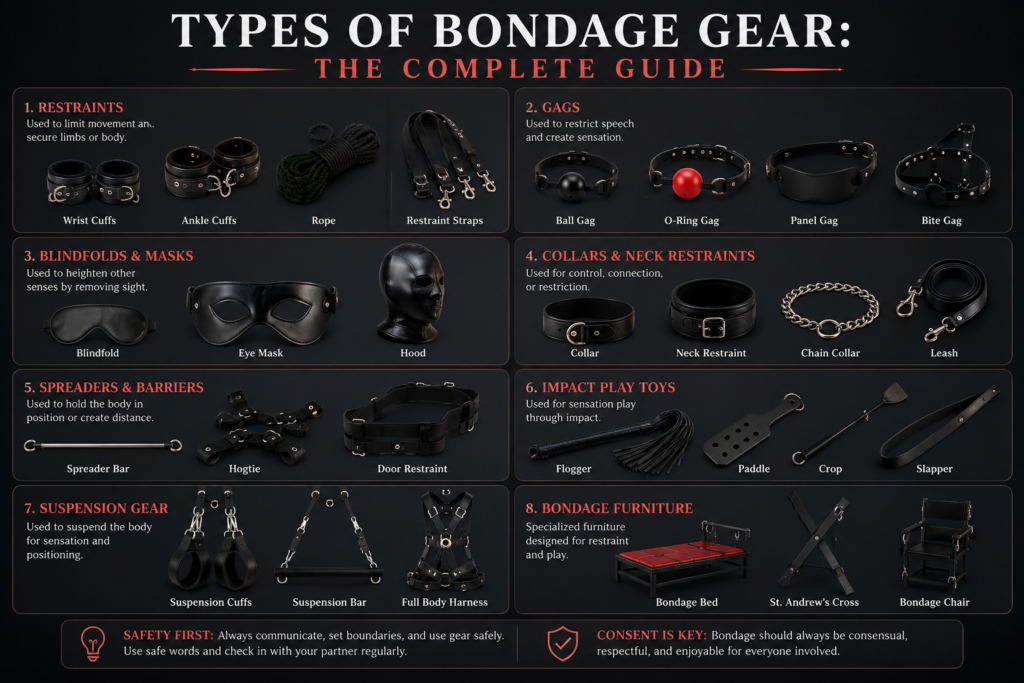
While BDSM gear covers many kinds of activities, bondage gear narrows in on one purpose: restricting movement in a controlled, consensual way. This includes:
The difference comes down to scope. BDSM gear vs bondage gear is the broad category. Bondage gear is a specific narrower category that sits inside it.
The clearest way to see the difference is side by side.
| Feature | BDSM Gear | Bondage Gear |
|---|---|---|
| Meaning | Broad category | More specific category |
| Main focus | Different BDSM activities | Restraint and bondage |
| Product range | Very broad | More focused |
| Examples | Toys, restraints, impact tools, accessories | Cuffs, restraints, bondage accessories |
| Suitable for beginners | Depends on product | Depends on product |
In simple terms, all bondage gear can be considered BDSM gear, but not all BDSM gear is bondage gear. A flogger, for example falls under BDSM gear but not bondage gear, since it isn’t designed for restraint.
Is bondage gear the same as BDSM gear? No. Bondage gear is a subcategory of BDSM gear. BDSM gear includes bondage products along with impact tools, sensory accessories, and role-play items, while bondage gear focuses specifically on restraint.
BDSM gear vs bondage gear spans several product types, each serving a different purpose.
BDSM toys is a general term covering a wide variety of products used in BDSM activities. This can include impact toys, sensory toys, and restraint-related items, depending on how the product is designed and marketed.
Accessories support a scene without necessarily being the main tool used. This might include blindfolds, collars, or storage cases for other gear.
“Equipment” is often used as a catch-all term. It can refer to furniture-style items, larger restraint systems, or any product that plays a functional role in a scene.
Tools and implements usually describe items used actively during a scene, such as paddles, floggers, or crops. These terms are often used interchangeably in product listings.
Props support role-play and themed activities. They add context to a scene rather than serving a direct physical function, though some props double as functional accessories.
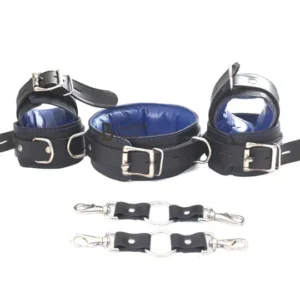
Bondage gear covers a narrower, restraint-focused set of products, including:
Products vary widely by design. A beginner bondage kit might include simple cuffs and a blindfold, while a more advanced set could include multiple restraint types and positioning tools.
These two terms overlap but aren’t identical.
BDSM toys is the broader term. It can include impact toys, sensory toys, and restraint-related toys. Bondage toys usually refer specifically to products designed for restraint, like cuffs or rope.
Some products fit into both categories. A set of cuffs, for example, is both a bondage toy and a type of BDSM toy, since bondage falls under the wider BDSM umbrella.
Can a product be both BDSM gear and bondage gear? Yes. Many products fit into both categories at once. Because bondage is part of the broader BDSM category, any bondage-specific product is automatically considered BDSM gear as well.
These terms are often used loosely, which can confuse shoppers.
A bondage kit usually groups restraint-focused products together, such as cuffs, a blindfold, and rope, often aimed at people new to bondage.
A bondage set is similar but may refer to a matched collection of restraint gear, sometimes made from the same material or designed with a consistent look.
A BDSM set is broader and may combine products from different categories, such as a paddle, a blindfold, and cuffs, rather than focusing only on restraint.
Product combinations vary by brand, so it’s worth checking exactly what’s included before buying. Not every kit contains the same products, even if the name suggests otherwise. For beginners, a smaller, simpler kit is usually easier to start with than a large, varied set.
“Equipment” tends to describe functional gear used during a scene, but the scope changes depending on which word comes before it.
BDSM equipment is the broader term and can include impact tools, restraint systems, or furniture-style products. Bondage equipment narrows this down to items used specifically for restraint and positioning.
In short: if a product’s main job is restricting movement, it’s bondage equipment. If it serves a different BDSM purpose, like impact or sensation, it falls under the wider BDSM equipment category instead. Product descriptions are the best way to confirm exactly what a piece of equipment is designed for.
Accessories support a scene rather than acting as the main event.
BDSM accessories can include a wide range of supporting items, like collars, blindfolds, or storage bags. Bondage accessories are more specific, usually referring to items that support restraint, like connectors, D-rings, or extension straps.
Some accessories fit into both categories, depending on how they’re used. A blindfold used during a bondage scene, for example, could reasonably be described either way.
BDSM gear can be grouped into a few broad categories:
Understanding these categories makes it easier to know exactly what you’re looking for before you start browsing.
Couples exploring BDSM gear together generally benefit from choosing products based on shared interests rather than assuming what will work.
Comfort and communication should guide the decision. Talking through boundaries and expectations before buying anything helps avoid mismatched expectations later. Experience level also matters. Couples new to BDSM toys for couples or bondage toys for couples usually do better starting with adjustable, beginner-friendly products.
Product quality matters just as much as intent. A well-made piece of bondage for couples gear will be more comfortable and easier to use than a poorly constructed alternative, regardless of price. BDSM gifts, whether for a partner or as part of exploring together, work best when they match both people’s comfort levels rather than just one person’s preferences.
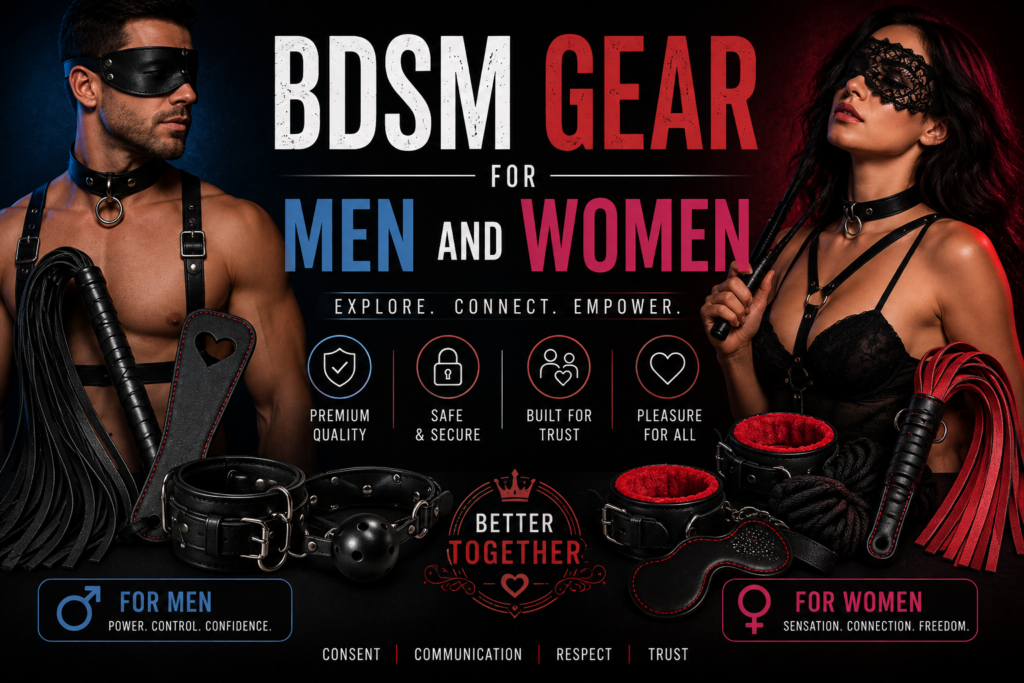
Products aren’t inherently gender-specific, even though some listings use gendered language like “BDSM gear for men” or “bondage gear for women.”
In most cases, sizing, comfort and design matter more than gender labels. Male BDSM toys and female-focused bondage products often differ mainly in sizing or aesthetic styling rather than function.
The most useful buying factors are:
Choosing gear based on fit and function rather than marketing labels alone generally leads to a better experience.
Starting with the right products makes a big difference in comfort and confidence.
A practical beginner approach includes:
There’s no single “best” starter product. The right choice depends on comfort level, curiosity, and what specific activities interest you.
A few practical factors make shopping easier.
Material Common materials include leather, nylon, faux fur, and metal. Each offers a different feel, durability level, and price point.
Size and Fit Proper sizing prevents discomfort and ensures restraints stay secure without being unsafe.
Adjustability Adjustable products accommodate different body types and preferences, which is especially useful for beginners still learning what feels right.
Construction Check stitching, fasteners, buckles, and hardware. Weak points in construction are usually where products fail first.
Comfort Padding, material softness, and overall design all affect how comfortable a product feels during use.
Cleaning Look for clear care instructions, especially for products made from leather or fabric that require specific cleaning methods.
Storage Proper storage, like a dedicated bag or box, helps protect gear and keeps it organized between uses.
The cheapest option isn’t always the smartest choice.
Lower-priced bondage gear can work fine for occasional or casual use, but material quality and construction often suffer at the lowest price points. Cheaper products are more likely to have weak stitching, poor hardware, or materials that wear out quickly.
Quality bondage gear tends to offer:
That said, expensive doesn’t always mean better either. Price should be weighed against materials, construction, and seller reputation rather than assumed as a reliable quality signal on its own.
Whether you’re browsing a BDSM gear vs bondage gear store, a bondage boutique, or a fetish shop, a few details matter more than flashy marketing.
Before buying, check for:
Comparing these details across a few BDSM supply or bondage supply sites makes it easier to spot which sellers are reliable before making a purchase.
A few mistakes come up often, especially among first-time buyers:
Avoiding these mistakes mostly comes down to reading product details carefully and buying from reputable sellers.
Yes. Bondage is a category within the broader BDSM space.
The relationship works like this:
BDSM → Bondage → Restraint
BDSM is the umbrella term covering multiple activities, including bondage, discipline, dominance, submission, and sadomasochism. Bondage, in turn, focuses specifically on restraint, which is one part of that wider picture. BDSM gear vs bondage gear also includes concepts well beyond bondage, like impact play, role-play, and sensory experiences.
There’s no universal answer. The right category depends on:
A simple way to decide: if restraint and restricted movement are the main interest, bondage gear is the better starting point. If you’re interested in a wider range of BDSM activities, broader BDSM gear may offer more variety to explore.
Safety comes first, regardless of which category of gear you choose.
Consent and clear communication should always come before any activity. Agreeing on boundaries and a safe signal in advance gives everyone a reliable way to pause or stop. Before use, inspect products for damage and confirm a proper, comfortable fit.
Following manufacturer instructions helps avoid unnecessary risk, especially with restraint products. Stop immediately if something causes unexpected pain, numbness, or discomfort and avoid using any equipment that shows signs of damage or wear.
What is BDSM gear?
BDSM gear is a broad category of products used in consensual BDSM activities, including bondage, impact play, sensory play, and role-play. It covers a wide range of tools and accessories rather than one specific product type.
What is bondage gear?
Bondage gear refers to products designed for restraint, positioning, and limiting movement during a scene. It’s a more focused category that sits within the wider BDSM gear umbrella.
What is the difference between BDSM gear and bondage gear?
BDSM gear is the broader category, covering many types of activities. Bondage gear is a subcategory focused specifically on restraint. All bondage gear counts as BDSM gear, but not all BDSM gear is bondage gear.
Is bondage part of BDSM?
Yes. Bondage is one component of the broader BDSM category, which also includes discipline, dominance, submission, and sadomasochism.
What is included in a bondage kit?
A bondage kit typically includes restraint-focused items like cuffs, rope, and a blindfold. Exact contents vary by brand, so it’s worth checking the product listing before buying.
What are BDSM accessories?
BDSM accessories are supporting items used alongside main tools, such as collars, blindfolds, or storage cases. They enhance a scene without necessarily being the primary focus.
What are BDSM toys?
BDSM toys is a broad term covering products used in BDSM activities, including impact toys, sensory toys, and restraint items, depending on their design and purpose.
What is the difference between a BDSM set and a bondage set?
A BDSM set usually combines products from different categories, like a paddle and cuffs. A bondage set focuses specifically on restraint items, often matched in material or style.
What BDSM gear is suitable for beginners?
Beginners generally do best with simple, adjustable products and clear instructions. Starting with one focused product, rather than an advanced multi-item set, makes it easier to build confidence.
Where can you buy bondage toys?
Bondage toys are sold through dedicated BDSM stores, bondage boutiques, and fetish shops, both online and in person. Comparing product details and seller reputation helps ensure a reliable purchase.
Can couples useBDSM gear vs bondage gear together?
Yes. Many couples combine bondage gear with other BDSM accessories, like impact toys or sensory items, based on shared interests and comfort levels.
What should you look for when buying bondage equipment?
Look for clear material information, solid construction, proper sizing, and care instructions. Checking seller reputation and return policies also helps avoid a poor purchase.
BDSM gear is a broad category covering products used in bondage, impact play, sensory play, and role-play. Bondage gear is a more specific subcategory focused mainly on restraint, like cuffs and rope. Bondage products are always considered BDSM gear, since bondage falls within the wider BDSM category. However, not all BDSM gear is bondage gear, since many products focus on other activities entirely.
BDSM gear and bondage gear aren’t interchangeable terms, even though they’re often used that way. BDSM gear is the wider category, covering restraint, impact play, sensory play, and role-based activities. Bondage gear sits inside that category, focused specifically on restraint and positioning.
Knowing the difference makes shopping easier, whether you’re building a simple bondage kit or exploring a broader range of BDSM accessories. For handcrafted leather bondage and BDSM accessories built with quality materials, LeatherBond.co offers a curated selection worth exploring.