BDSM and latex have gone hand in hand for decades but the connection often gets reduced to a single image without much explanation. This guide breaks down why latex holds such a specific place in kink culture from the sensory experience it creates to the different types of gear available. Whether the interest is purely visual or something to actually wear during play, readers will find a clear look at how latex fits into BDSM, what to consider before buying, and how to care for it properly.
Most newcomers run into the same issue with latex, they are drawn to the look but have no idea where to start, what it costs to maintain, or why it feels so different from leather or rubber. This guide solves that problem by walking through the real connection between BDSM and latex covering gear types, fit, care and the sensory appeal that keeps people coming back to it. Readers will leave with a clear, practical understanding instead of guesswork.
Latex shows up everywhere in kink imagery, from photography to fetish events, but the reason it holds such a specific place in BDSM often goes unexplained. This guide breaks down where that connection comes from, the different types of gear available, why people are drawn to it, and how to choose and care for a first piece. It closes with real-world context and answers to the questions beginners ask most often.
Latex is a stretchy, glossy rubber material that clings tightly to the body, and that combination of shine, tightness, and total skin coverage is exactly why it became a staple of fetish clothing. Unlike leather accessories, which tend to be structured and rigid, this material moves with the wearer and creates a second-skin sensation that many find intensely erotic on its own, separate from any specific activity. This broader interest in rubber materials is sometimes referred to as pvc fetishism, though technically PVC and latex are chemically different, even if the look and feel is similar.
Within BDSM specifically, the appeal often ties back to transformation. Putting on a full head-to-toe piece changes posture, movement and even breathing, which many describe as stepping into a different persona entirely. That transformation, paired with the tactile experience is a large part of why this aesthetic style has stayed popular for decades rather than fading as a passing trend.
Leather is thick, textured and breathable by comparison, while rubber and latex are smooth, non-porous and far more restrictive against the skin. Rubber tends to be heavier and less glossy than the latter, which is thinner and produces that signature high shine. None of the three is objectively better; each creates a different sensation and look, and many people in the kink community own pieces from all three categories for different moods and scenes.
The table below groups the most common pieces together, along with other names shoppers might see used for the same item.
| Gear Type | What It Is | Also Searched As |
|---|---|---|
| Latex Catsuit | A full-body, skin-tight suit covering everything from neck to ankle or fingertip | bdsm catsuit, mistress latex catsuit, skinsuit bondage |
| Latex or Rubber Bodysuit | Similar to a catsuit but sometimes cut with more open sections or zippers | bodysuit bdsm, latex bodysuit bondage |
| Gimp Suit | A full-coverage suit typically paired with a hood, designed to fully obscure identity | bdsm gimp suit, kink suit |
| Bondage or BDSM Suit | A general term for any restrictive latex or rubber suit used in play | bondage suit, latex bdsm suit, bdsm rubber, bdsm in latex |
| Dominatrix or Mistress Outfit | Structured latex pieces built for a commanding, dominant look | dominatrix suit, latex dominatrix outfit, mistress outfits, femdom costume |
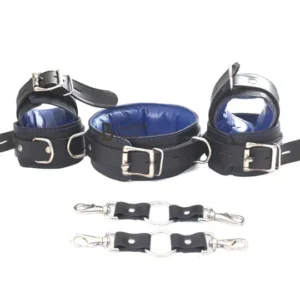
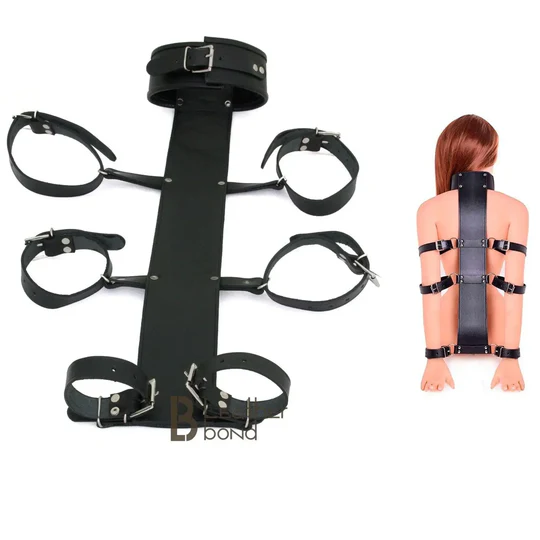
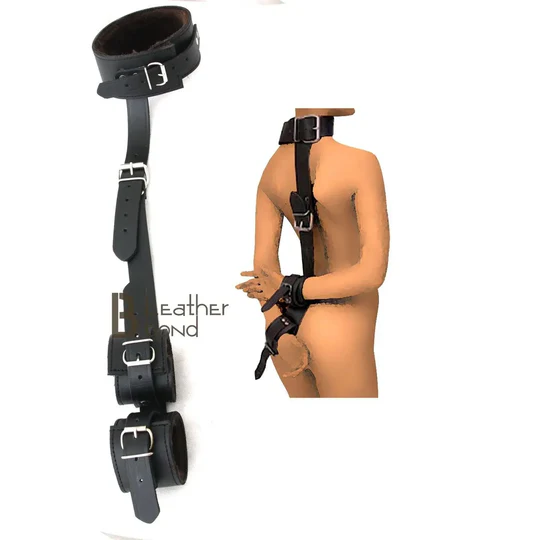
| Restraints and Accessories | Cuffs, straps, and dresses built from or trimmed with latex | restraints and cuffs, tied latex, male latex bondage |
Catsuits and bodysuits are usually the most beginner-friendly starting point, since they come in a range of coverage levels, while gimp suits and full dominatrix looks tend to appeal to people already comfortable with the material. Restraints and cuffs are a lighter, lower-commitment way to introduce latex into a scene without a full outfit.
The appeal usually comes down to a mix of sensation, appearance and dynamic. As pure sensation play, the tightness and slight resistance of the material against the skin creates constant, full-body awareness that some compare to a firm, continuous touch. A full hood or catsuit can also produce a kind of sensory deprivation, muffling sound and limiting sight, which shifts focus inward and heightens the remaining senses.
Latex also plays a visible role in power exchange. A dominant partner in a structured, glossy outfit reads very differently than one in casual clothing, and that shift in presentation can reinforce roles before a scene even begins. For some, these pieces double as role play equipment, supporting a specific character or persona rather than just adding a sensation.
Fit matters more with latex than with almost any other material, since a piece that is too tight can be difficult to breathe or move in, while one that is too loose loses the second-skin effect that makes it appealing in the first place. Beginners are usually better off starting with a single item, such as a pair of gloves or a simple dress, rather than a full catsuit, to get a feel for the material before committing to a bigger piece.
Thickness is another factor worth checking before buying. A thinner option is easier to put on and more comfortable for extended wear, while a thicker one is more durable but can restrict movement more noticeably. Budget options are widely available for anyone testing the waters, while premium, custom-fitted pieces tend to last longer and feel more comfortable against the skin. Trying a piece on before buying, whenever possible, avoids most of the fit issues that turn beginners off after a single disappointing purchase.
Since a full piece changes movement, breathing and how much someone can hear, it is worth agreeing on a check-in system before a scene starts, the same way any other BDSM activity requires clear communication ahead of time. A simple hand squeeze or a tap works well for anyone whose mouth is covered by a hood and having that plan in place beforehand takes the guesswork out of a session so both people can relax into the experience instead of worrying about how to stop things if needed.
Latex is easiest to put on with a small amount of dressing aid or diluted lubricant, applied in sections rather than trying to pull the whole piece on at once. Rushing the process is the most common cause of tears, especially around the fingers, toes, and other tight seams.
Cleaning it properly means a gentle wash after each use and a light coat of silicone-based polish before storage, which keeps the material flexible and prevents it from sticking to itself. It should be stored away from direct light and heat, ideally hung or laid flat with talc lightly dusted over the surface, since folding it tightly for long periods can cause permanent creases or cracks over time.
It has a life well beyond private play. It shows up regularly in erotic photography, where the material’s shine and structure photograph in a way few other fabrics can match. Fetish events and clubs often build entire themed nights and dress codes around it, giving people a chance to wear elaborate pieces in a social setting rather than only at home.
Within the wider kink community, this material has also become part of a broader alternative lifestyle and aesthetic that extends into fashion, art, and music, well outside of BDSM itself. Some erotic costumes borrow that look without the same practical demands, giving people who like the aesthetic an easier entry point before investing in the real thing.
A common myth is that it is only for advanced practitioners or a narrow body type, when in reality custom sizing and stretch panels make it accessible to most people willing to take the time with fit. Latex allergies are a real consideration, since the material contains natural rubber proteins that some people react to, so anyone unsure should patch test a small piece before committing to a full outfit. Breathability is also worth planning around, since long sessions in a full suit can trap heat, so scheduling breaks and staying hydrated matters just as much as the fit itself. A second, quieter myth is that it has to be uncomfortable to be worth wearing, when a well-sized piece from a reputable maker should feel snug rather than painful.
Rubber fetish aesthetics have moved well past private play and into runway fashion, music videos, and streetwear over the past two decades. Designers regularly borrow the glossy, second-skin look for jackets, trousers, and accessories aimed at a general audience with no connection to kink at all, which is part of why so many people first encounter the material through fashion rather than fetish culture. Within the fetish subculture itself, that same look carries a very different weight, tied to identity, roleplay, and a specific kink scene rather than just a style statement. Both readings of the aesthetic are valid, and plenty of people move between them depending on the setting.
For anyone newly interested, local and online groups built around kink and fetish interests are a good way to ask questions, see gear in person before buying, and learn proper care from people who have worn it for years. Fetish clubs and munches often have a lower-key, come-as-curious atmosphere than their reputation suggests, and many welcome first-timers who show up in regular clothes rather than full gear. Online forums dedicated to rubber and latex care are also a reliable source for troubleshooting things like storage, cleaning products, and sizing across different brands.
It’s popular in BDSM because of its tight, glossy feel against the skin, its dramatic visual effect, and the way a full piece can support a specific role or persona during a scene.
They are related but not identical. This material is thinner and glossier, while rubber tends to be thicker, heavier, and less shiny, though both are used for similar bondage and fetish gear.
Short sessions are generally fine for most people, but the material traps heat and does not breathe, so long wear should include breaks, water, and attention to how the skin feels underneath.
Small accessories such as gloves, stockings, or a simple dress are the easiest starting point, since they introduce the sensation without the fit challenges of a full catsuit.
Not necessarily. Off-the-shelf pieces in standard sizes work fine for most body types and are the more affordable place to start, while custom orders make sense once someone knows their preferred fit, coverage, and thickness well enough to be specific about it.
Latex pairs naturally with structured leather accessories for anyone building out a full kink wardrobe. Explore handmade leather pieces at LeatherBond.co.