Black leather has a distinctive combination of versatility, visual depth and timeless appeal. From everyday accessories to statement pieces and specialist leather equipment, it offers a consistent look that works across many product categories. However not all black leather products are made from the same materials, finished in the same way, or designed for the same purpose. If you are shopping for genuine black leather, understanding the material is just as important as choosing the right design. Leather grade, surface treatment, stitching, hardware, and maintenance requirements all influence how a product looks and performs over time.
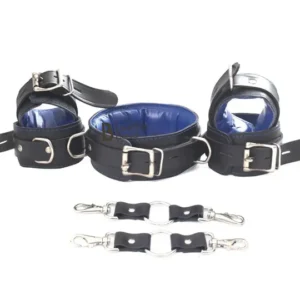
This guide explains what black leather is, how to compare different leather types what to inspect before buying, and how to care for your products. It also explores black leather accessories, including cuffs, collars and restraint sets, to help you make a more informed purchasing decision.
Black leather is leather that has been dyed, pigmented, coated or otherwise finished to achieve a black appearance. The term describes its color not a specific leather grade or level of quality. A black leather wallet, belt, cuff or collar may use different hide layers, surface treatments, thicknesses and construction methods. Two products can look similar in photographs but feel and perform differently in everyday use.
Three characteristics are particularly important when evaluating black leather:
Understanding these differences helps you compare products more accurately instead of relying on color or the phrase “genuine leather” alone.

The best leather type depends on the product, its intended use, the finish you prefer, and your maintenance expectations.
Full-grain leather retains the natural grain surface of the hide rather than having that surface sanded away. Natural variations may remain visible, giving each piece a distinctive appearance. Top-grain leather is generally made from the outer hide layer but may be sanded or otherwise corrected to create a more uniform surface. Its final characteristics depend on the finishing process. Both can be suitable for different products. Full-grain leather may appeal to buyers who appreciate natural markings, while a more uniform top-grain finish may suit products where consistency of appearance matters.
Neither label alone guarantees that a finished item will be durable. Leather thickness, finishing, stitching, hardware and manufacturing quality also matter.
The term “genuine leather” indicates real leather, but it should not be treated as a complete quality grade. Products described this way can vary in hide layer, finishing and overall construction. Split leather comes from a lower layer separated from the hide’s grain layer. Its surface may be finished or coated to achieve a particular appearance.
When buying black leather products, ask for a more precise material description whenever possible. If a listing identifies only the color and says “genuine leather,” it may not provide enough information to compare the product with alternatives.
Suede has a soft, napped surface that creates a different look and feel from smooth leather. Nubuck is produced by lightly abrading the grain side of leather to create a fine, velvety texture.Black suede and nubuck can look sophisticated, but their surface characteristics affect cleaning and maintenance. They should not automatically be treated with the same products used for smooth, finished leather.
Embossed leather is another option. Its surface has a pattern pressed into it, which can create a distinctive texture. An embossed appearance does not, by itself, establish the underlying material or its quality.
Genuine leather and faux leather are different materials.
Genuine leather is made from animal hide. Faux leather is a synthetic alternative, commonly produced using a polymer surface over a textile or other backing.
Faux leather can offer a consistent appearance and may be easier to wipe clean, depending on its construction. Genuine leather has natural characteristics and can vary in grain, flexibility, and surface markings.
Neither material should be judged by appearance alone. If authenticity matters to you, check the product description for clear material information and contact the seller if anything is unclear.
A product’s quality comes from more than the leather itself. The way the material is cut, assembled, finished and fitted also affects its suitability for the intended purpose.
Start with the product description. Look for the stated leather type, hide source where disclosed, surface finish, and any information about lining or backing materials.
For black leather, examine how the finish appears across the product. A consistent color may be desirable, but small natural variations can also occur in genuine leather.
When shopping online, useful product photographs include close-ups of the grain, edges, stitching and hardware. If the listing does not show these details, ask the seller for additional photographs or clarification.
Do not assume that a glossy finish means higher quality or that a matte finish means lower quality. The appropriate finish depends on the design and intended use.
Construction details are especially important for leather products that bend, adjust, fasten, or experience repeated handling.
Check for:
For products that rely on straps or fasteners, these details can be as important as the appearance of the leather.
Different products have different requirements. A decorative accessory does not necessarily need the same construction as a belt worn frequently or equipment that uses adjustable straps.
Before purchasing, consider how often you expect to use the item, how it will be stored, whether it will be exposed to moisture, and which parts are likely to experience the most movement or stress.
For online purchases, compare the stated dimensions, adjustment range, closure type, and care instructions where available. Do not rely on a photograph alone to determine fit.
Black leather is used in many types of accessories. Choosing a product based on its intended purpose makes it easier to compare suitable options.
Black leather belts and other everyday accessories offer a versatile appearance that works with casual and more formal outfits. When choosing a belt or similar item, consider the leather description, width, fastening design, and how the product will be used.
For accessories that receive frequent handling, inspect the areas around holes, buckles, folds, and edges. These areas can experience more wear than less frequently handled sections.
Regular cleaning and appropriate storage help preserve the finish and keep the product presentable.
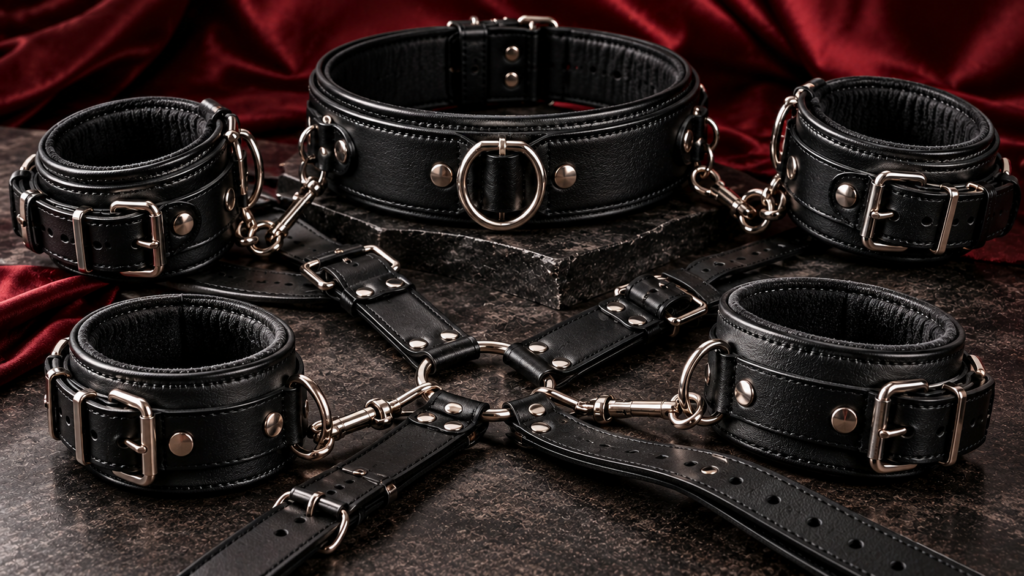
Black leather cuffs, collars, and restraint sets serve a more specialized purpose and should be selected with particular attention to fit, construction, and responsible use.
When comparing these products, look for clear information about:
A well-presented product listing should make it easier to understand what is included and how the item is designed to fit. If measurements or construction details are missing, request clarification before ordering.Fit matters more than appearance alone. A product should not create excessive pressure, restrict circulation or cause numbness, painor skin discoloration. For restraint equipment use should be consensual, monitored and consistent with the product’s instructions. Never assume that an ordinary buckle, connector or strap is suitable for supporting body weight or suspension.
Leather Bond offers a relevant place to begin exploring its leather product range. Compare the available black leather cuffs, collars and restraint sets by their individual descriptions rather than assuming that every item shares the same specifications.
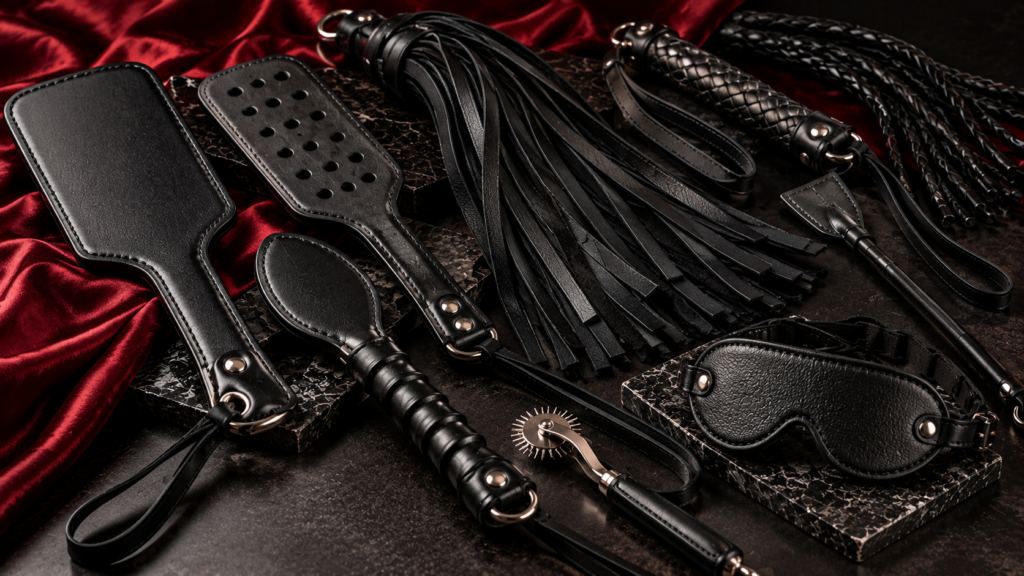
Specialty leather products have different construction and care requirements from ordinary accessories.
For black leather paddles and floggers, buyers should examine the stated materials, handle construction, finishing and intended use. Do not assume that all products described as leather use the same leather type or have identical performance characteristics. Follow the manufacturer’s instructions, inspect products before use, and discontinue use if stitching, handles, attachment points, or other components show signs of damage.
These product categories are best evaluated individually, with particular attention to construction and suitability rather than appearance alone.
Proper care begins with identifying the leather type and its finish. A method that works for one smooth leather product may damage suede, nubuck, or a coated surface.
The following routine is a sensible starting point for many finished black leather accessories, but the product’s care instructions should take priority.
Remove loose dust with a clean, soft cloth. For ordinary surface dirt, use a leather cleaner specifically recommended for the relevant leather type and finish. Before applying any cleaner to the whole item, test it on a small, inconspicuous area and allow that area to dry. Check for color transfer, changes in sheen, or other unwanted effects. Avoid soaking leather or scrubbing it aggressively. Household detergents, solvents, abrasive cleaners, and untested home remedies may damage the surface or affect its color.
For suede and nubuck, use tools and cleaning products designed for the particular textured material.
Conditioning may help some leather types retain flexibility, but not every finish needs the same treatment. Some coated surfaces may require little or no conventional conditioning.
Choose a conditioner that is compatible with the leather and follow the manufacturer’s directions. Apply it sparingly and test it first, because certain products can darken black leather or alter its sheen.Avoid assuming that more conditioner means better protection. Excessive application can leave residue or change the surface appearance.
Water-repellent treatments should also be selected according to the leather type and product instructions. No treatment should be assumed to make leather completely waterproof.
Store black leather products in a clean, dry, ventilated area away from direct sunlight and strong heat sources.
If a leather item becomes wet, gently blot excess moisture with a clean, dry cloth. Allow it to dry naturally at room temperature. Do not place it against a heater or use a hair dryer to speed up the process.For accessories with straps or buckles, avoid storing them under heavy objects or in positions that create sharp, lasting folds. Keep metal components dry and inspect them periodically for corrosion or damage.
Products used against skin should be cleaned and dried according to their individual care instructions before being stored. Do not assume that the same cleaning routine is appropriate for every leather item.
A few avoidable mistakes can make it harder to select or maintain the right product.
Choosing by color alone: Black is an appearance, not a leather grade. Check the actual material and construction.
Assuming genuine leather means premium leather: Ask about the hide layer and finish rather than relying on the label alone.
Ignoring product dimensions: This is particularly important for belts, cuffs, collars, and adjustable equipment.
Using the wrong cleaner: Products intended for one finish may discolor or damage another.
Exposing leather to direct heat: Excessive heat can dry or distort leather and affect its finish.
Over-conditioning: Apply care products only when appropriate for the leather type and in accordance with their instructions.
Ignoring damaged fasteners or stitching: Inspect frequently handled and load-bearing components where relevant. Do not continue using equipment with damaged structural parts.
Assuming every leather product is suitable for every purpose: Choose products based on their stated design and limitations, not just their appearance.
The best black leather product is one whose material, construction, design, and maintenance requirements match your needs.
Start by confirming whether the item uses genuine leather or a synthetic alternative. Then consider the leather type, finish, stitching, hardware, dimensions, and intended use. Finally, check the care instructions so you understand how to maintain the product’s appearance over time.
For everyday accessories, focus on practicality and finish. For specialist items such as black leather cuffs, collars, and restraint sets, give additional attention to fit, fasteners, adjustment points, and responsible use.
Explore Leather Bond to discover leather products and compare the available options. Review each product’s specifications carefully so you can choose an item that suits your preferences and intended use.
Black leather can be genuine animal-hide leather or synthetic material designed to look like leather. The color alone does not establish authenticity. Check the material description and ask the seller for clarification if the listing does not identify the material clearly.
Start with the product label, material description, and manufacturer information. Natural grain variation and visible pores can provide clues, but surface finishes can conceal these characteristics, and synthetic materials can imitate them. No single visual or smell test reliably establishes authenticity in every case.
Black leather can change in appearance with exposure to light, friction, moisture, cleaning products, and ordinary wear. The extent of fading depends on the leather, dye, finish, and conditions of use. Appropriate cleaning and storage can help preserve its appearance.
For many finished leather products, begin by removing dust with a soft cloth and use a compatible leather cleaner when necessary. Test any product on an inconspicuous area first. Suede, nubuck, and specialty finishes may require different methods, so follow the manufacturer’s care instructions.
Full-grain describes leather that retains its natural grain surface. Genuine leather is a broader term that does not specify one particular grade. The labels therefore describe different things, and the best choice depends on the product’s construction, intended use, finish, and price.
Keep them in a clean, dry, ventilated space away from direct sunlight and excessive heat. Avoid prolonged dampness and heavy pressure that can distort the leather. Follow the product’s instructions, particularly for items with metal hardware, textured surfaces, or multiple straps.
Check the stated material, dimensions, adjustment range, lining, closure design, and stitching. Look for clear photographs and product-specific care instructions. Choose a suitable fit and inspect the product before each use. Avoid damaged equipment and follow the manufacturer’s stated limitations.
No. Conditioning requirements vary by leather type and surface finish. Some products may benefit from a compatible conditioner, while certain coated finishes require a different approach. Always check the manufacturer’s guidance and test a care product on a small, hidden area before broader application.
Black leather is animal-hide leather that has been dyed, pigmented, or finished to achieve a black appearance. It is available in different leather types, including full-grain, top-grain, split leather, suede, and other finished varieties. The color alone does not determine the leather’s quality, authenticity, or durability.
Check the product description, material label, and manufacturer’s information to determine whether an item is made from genuine leather or a synthetic alternative. Natural grain variations can offer clues, but surface treatments may conceal them, and faux leather can imitate natural textures. Ask the seller for clarification if the material is not clearly identified.
Genuine black leather is made from animal hide, while faux leather is a synthetic material designed to resemble leather. Their texture, flexibility, maintenance requirements, and aging characteristics vary by construction and finish. Compare the stated materials, product specifications, and care instructions before choosing between them.
Common types include full-grain leather, top-grain leather, split leather, suede, and embossed or otherwise textured leather. These terms describe different aspects of leather construction and surface treatment. For example, full-grain leather retains its natural grain surface, while suede has a soft, napped texture. The best option depends on the intended use and desired finish.
Remove loose dust with a clean, soft cloth and use a leather cleaner compatible with the material and finish when necessary. Test cleaning products on a discreet area first. Avoid excessive moisture, harsh chemicals, and direct heat. Suede, nubuck, and coated leather may require different care methods, so follow the manufacturer’s instructions.
Check the material description, surface finish, stitching, edge finishing, hardware, dimensions, and care instructions. For adjustable products, examine the closure design and adjustment range. Clear product photographs and accurate specifications help you compare options and determine whether an accessory suits your intended use.
Review the material, fit, adjustment range, lining, stitching, fasteners, and stated product limitations. Choose products with clear dimensions and construction details. For restraint equipment, prioritize a suitable fit, inspect the product before use, and follow its instructions. Use consensually, monitor comfort and circulation, and never assume ordinary fasteners are suitable for suspension or supporting body weight.
You can explore the available leather product range at Leather Bond. Compare individual product descriptions, materials, dimensions, construction details, and care instructions to find an appropriate option. Check the current shipping information and applicable delivery terms for your destination before placing an order.
Yes, black leather can lose color or change its appearance because of sunlight, friction, moisture, cleaning products, and regular use. The extent of change depends on the leather and its finish. Appropriate cleaning, compatible care products, and suitable storage can help maintain its appearance.
Not necessarily. Full-grain leather retains its natural grain surface, but the most suitable material depends on the product’s purpose, construction, finish, and maintenance requirements. Stitching, hardware, fit, and manufacturing quality also influence the finished product’s performance.