If you’ve stumbled across the word “flogger” while browsing BDSM gear online and thought, “wait, what is a flogger exactly?” you’re not alone. It’s one of the most searched terms in the impact play world and for good reason. Floggers look intimidating but they’re actually one of the most versatile, beginner-friendly tools in any leather toy collection.
In this guide, we’ll break down the flogger definition, explore different types of floggers, and explain how they’re used so you walk away knowing exactly what this tool is and whether it’s right for you.
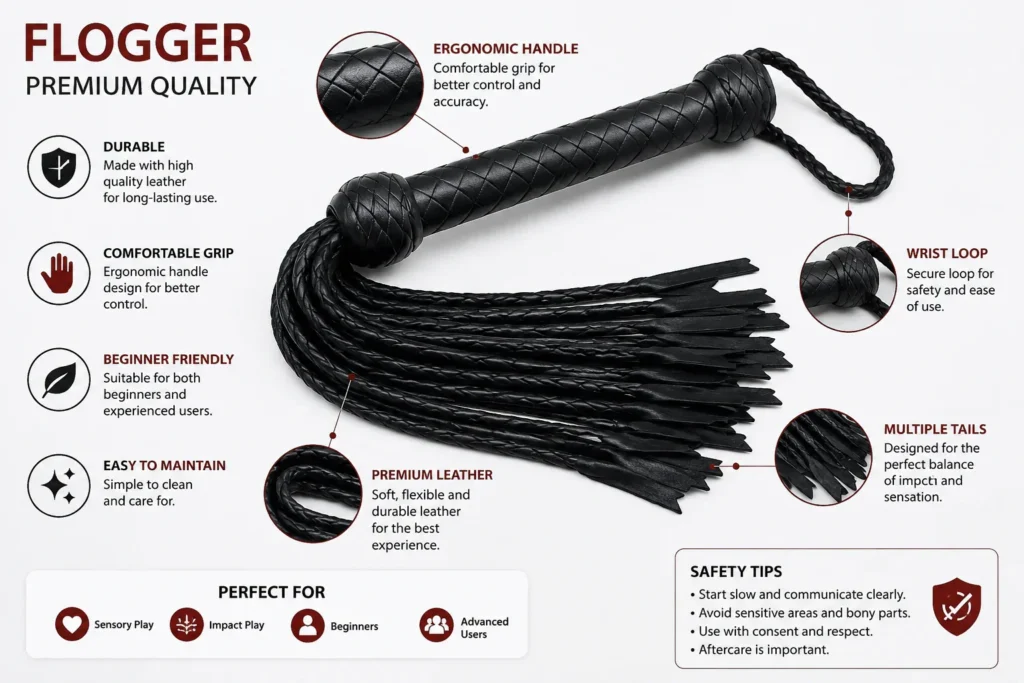
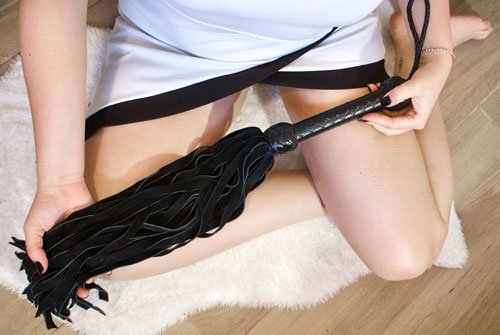
A flogger is a BDSM impact toy made up of multiple soft or firm strands called “tails” or “falls”attached to a single handle. When swung the tails land across the skin in a fanned pattern delivering anywhere from a gentle thud to a sharp sting depending on the material, weight and technique used.
Unlike a single-strand whip, a flogger spreads its impact across a wider surface area. This makes it more forgiving for beginners and easier to control which is exactly why it’s one of the most popular entry points into impact play.
So if someone asks “what’s a flogger?” the simple answer is, a multi-tailed leather (or rubber, suede or rope) tool used to deliver sensation play through controlled striking motions.
The word “flog” has been part of the English language for centuries originally referring to corporal punishment. Over time, the flogger meaning evolved within kink communities to describe a consensual pleasure and sensation tool rather than a punishment device.
Today, when people search “define flogger” or “definition of flogger,” they’re usually referring to its modern context, a sensory play tool used between consenting adults to create rhythm, sensation and connection not the historical punitive instrument it’s sometimes confused with.

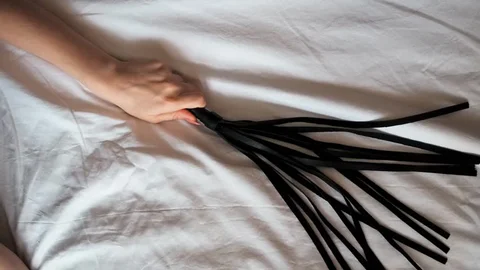
The Handle Flogger handles are typically made from wood, leather-wrapped metal, or braided leather. Handle length varies shorter handles (6-10 inches) give more control, while longer handles (12+ inches) allow for bigger more dramatic swings.
The Tails (Falls) These are the strands that do the work. Tail count usually ranges from 8 to 30+ and material dramatically changes the sensation:
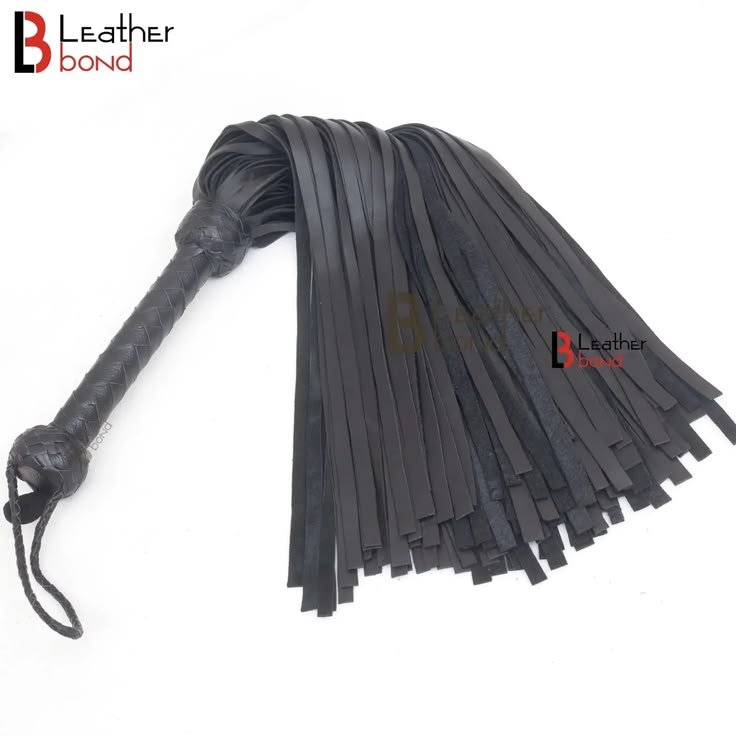
If you’ve searched “flogger image” or “picture of a flogger,” this is essentially what you’re picturing a fan of strands radiating from a central grip.
Not all floggers are created equal. Here’s a breakdown of the main categories you’ll encounter while shopping.
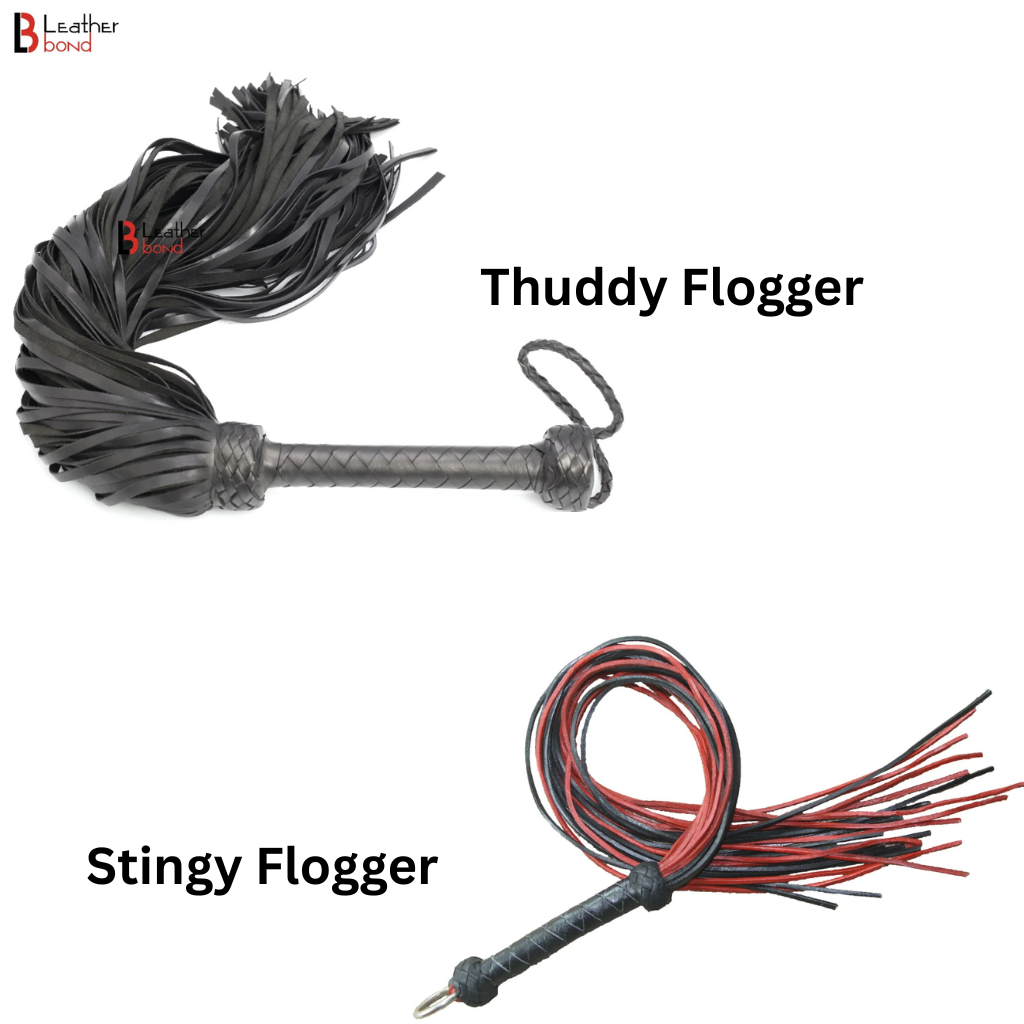
A thuddy flogger uses wide, heavy, often suede or thick leather tails. Instead of a sting, it delivers a deep, muscle-penetrating “thud” sensation similar to a deep tissue massage. These are popular for relaxation-focused or sensual scenes.
The opposite of thuddy. Stingy floggers use thin, lightweight tails (often rubber or thin leather) that create a sharper more concentrated sting on the surface of the skin.
A weighted flogger has small weights often metal balls or beads sewn into the tips of the tails. This adds extra momentum and impact without requiring more arm strength making each strike land with added force.
A finger flogger is a miniature flogger, usually with a small loop or ring handle worn on the finger. It’s used for lighter, more precise, often teasing sensations great for sensitive areas or warm-up play.
The hydra flogger features multiple flogger heads branching off a single handle almost like several mini-floggers fused together. It allows for a wider spread of impact in a single swing and a unique multi-directional sensation.
A poi flogger has tails ending in soft, weighted balls (similar to poi spinning equipment). The weighted ends create a distinct “thump” and are often used for rhythmic, flowing strikes.
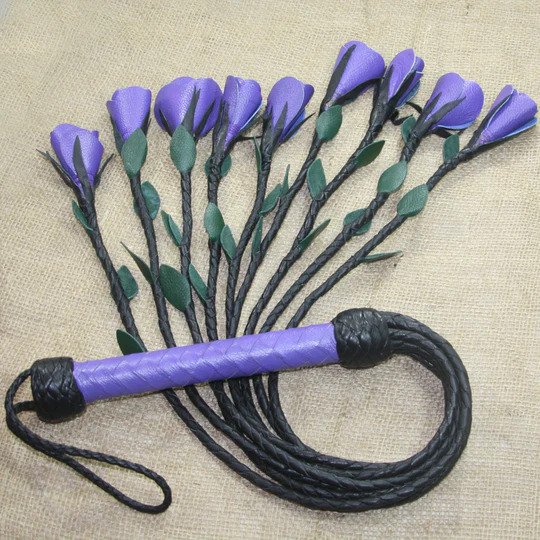
These terms are often used interchangeably, but there’s a subtle distinction:
If you’re shopping and see both terms, know that flails generally feel heavier and more localized, while floggers spread sensation more evenly.
Floggers are primarily used in impact play and sensation play a category of BDSM activity where one partner strikes the other’s body (commonly the back, buttocks, thighs, or chest) for pleasure, stress relief, sensory exploration or D/s dynamics.
Common uses include:
This depends entirely on three factors: material, technique, and intent.
The key takeaway: floggers exist on a huge spectrum from “barely there” to “intense,” and the user controls where on that spectrum each strike lands. This is why communication, consent and starting slow are essential especially for beginners.
If you’re wondering how to use a flogger for the first time, here’s the foundation:
Florentine flogging is an advanced technique where the user wields two floggers at once, alternating strikes in a continuous rhythmic pattern often in a figure-eight or crossing motion. It requires significant practice for timing and control, but when mastered, it creates a fast, rhythmic, almost musical flow of sensation. This is generally not recommended for absolute beginners.
If you’re new to flogging, here’s a quick buying checklist:
Yes , many people search “how to make a flogger” because DIY floggers are common in the kink community. A basic flogger can be made using a handle (wood dowel, leather-wrapped grip), strips of leather or suede for the tails and strong adhesive or rivets to secure them. However for safety and durability, a well-constructed professionally made flogger is recommended especially for beginners, since uneven tail lengths or weak attachments can cause unpredictable impact or injury.
A flogger is used for impact and sensation play in BDSM, ranging from relaxing thuddy strikes to sharper stinging sensations, depending on material and technique.
A flogger has soft, flexible tails for broad sensation, a flail typically has fewer, heavier strands for more concentrated impact.
It depends on the material, weight and how hard it’s used. Soft suede floggers can feel like a deep massage, while stingier materials create sharper sensations.
A thuddy flogger uses wide, heavy tails (often suede) to create a deep, muscle-level thudding sensation rather than a surface sting.
A small flogger worn on the finger, used for lighter, more precise sensation play.
So , what is a flogger? At its core, it’s a multi-tailed impact tool designed for sensation play, ranging from soothing thuds to sharp stings depending on its design. Whether you’re drawn to a soft suede thuddy flogger for relaxation or curious about advanced techniques like florentine flogging, understanding the basics of materials, types and safe use is the first step toward confident, enjoyable play.