Leather Flogger: The Complete Buyer’s Guide to Types, Uses & Safe Play
What Exactly Is a Leather Flogger? If you’ve ever wondered what’s a flogger you’re not alone. It’s one of the most searched questions in the BDSM and kink community, and…
What Exactly Is a Leather Flogger?
If you’ve ever wondered what’s a flogger you’re not alone. It’s one of the most searched questions in the BDSM and kink community, and the answer is simpler than you might think.
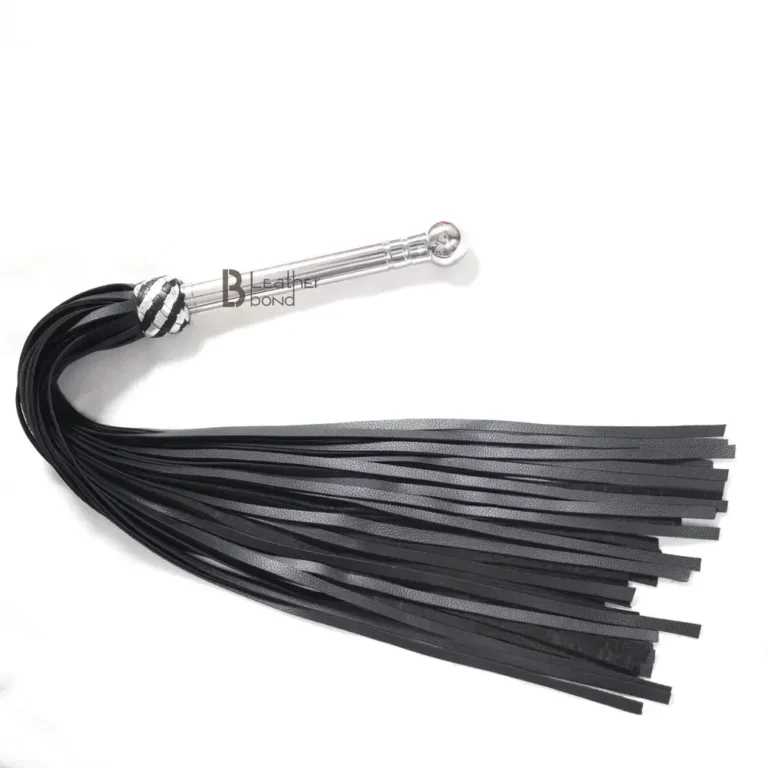
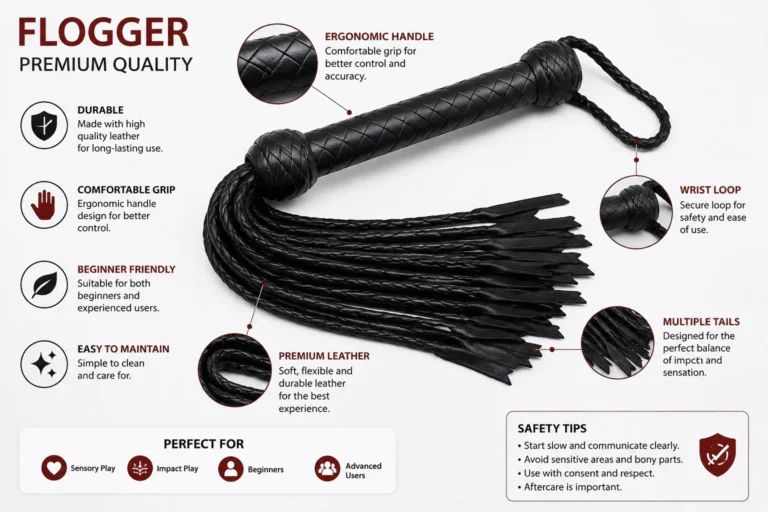
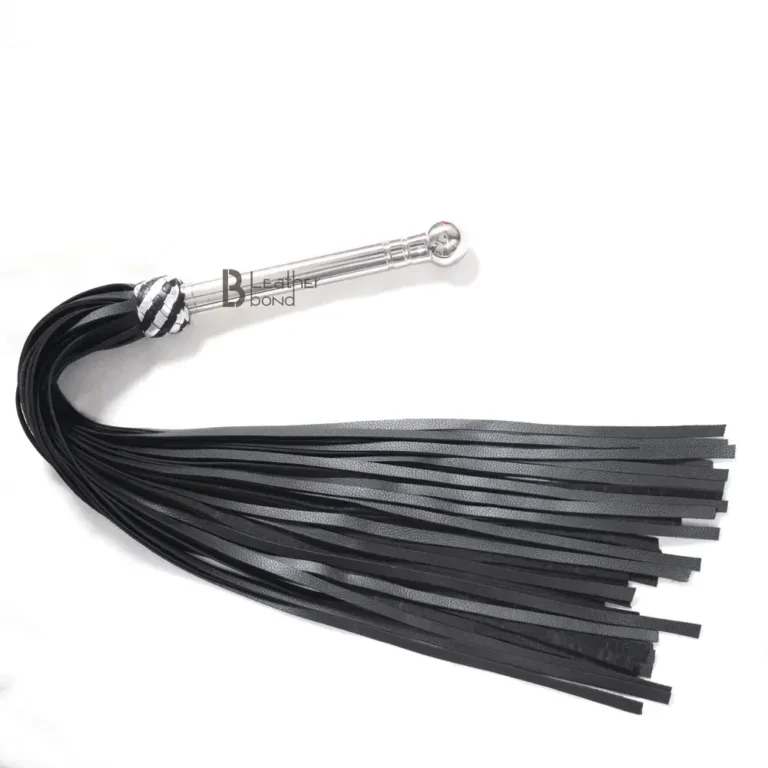
A leather flogger is a multi-tailed impact toy made from strips of leather attached to a single handle. Unlike a single-tail whip, a flogger delivers sensation across a wider surface area, making it one of the most popular and beginner-friendly tools in sensory and impact play.
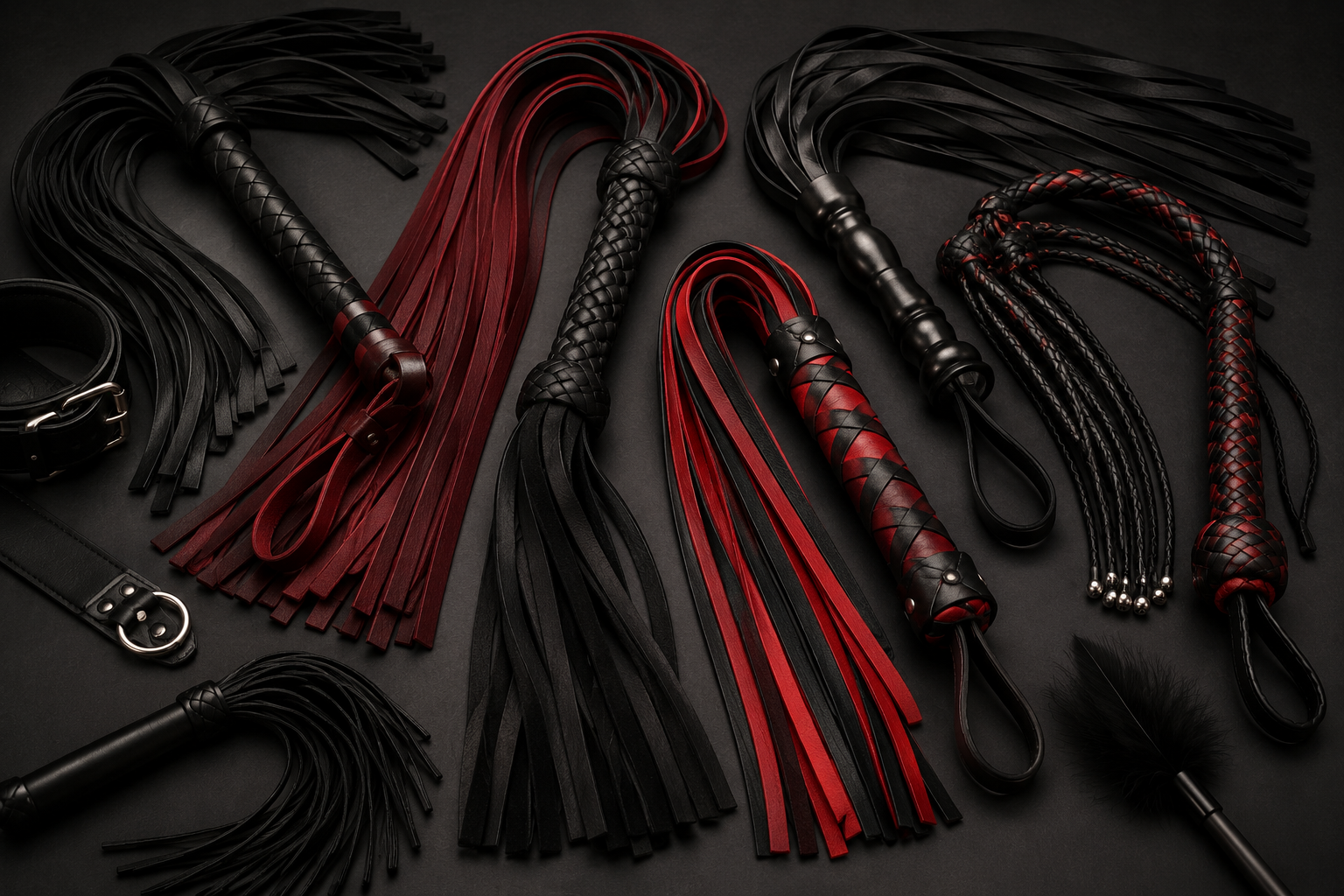
But here’s what most generic guides miss: not all floggers are the same. The leather type, tail count, tail width and handle design completely change the experience from soft and thuddy to sharp and stingy. Knowing the difference is what separates a satisfying purchase from a disappointing one.
In this guide, we break down everything flogger meaning, types, how leather floggers compare to whips, crops, paddles and canes, plus exactly what to look for when you buy.
What Does “Flogger” Mean?
The word flogger comes from the verb to flog, meaning to beat or strike repeatedly. Historically, flogging was used as a form of corporal punishment but in the modern BDSM context a flogger is a consensual impact toy designed for pleasure, sensation play and power exchange dynamics.
Today, the term flogger refers specifically to a multi-tailed implement, most commonly made from leather, suede, rubber or synthetic materials. The leather flogger is considered the gold standard prized for its durability, its rich sensory properties (smell, texture, sound) and the sheer variety of sensations it can produce.
Leather Flogger vs. Whip: What’s the Difference?
This is one of the most common points of confusion for beginners. People often use the words flogger and whip interchangeably but they’re actually very different tools.
| Feature | Leather Flogger | Whip |
|---|---|---|
| Tails | Multiple tails (falls) | Single tail or braided |
| Strike area | Wide, diffused | Precise, focused |
| Sensation | Thud or sting depending on leather | Sharp crack, intense sting |
| Skill level | Beginner-friendly | Requires training |
| Use case | Sensation play, warm-up | Advanced impact play |
A whip whether it’s a signal whip, a bullwhip or a riding crop-style instrument delivers a highly focused, precise strike. It takes significant skill to use safely. A flogger, by contrast, distributes force across multiple tails making it far more forgiving for new users and perfect for building up sensation gradually.
If you’re starting out, a leather flogger is almost always the better first choice over a whip.
Leather Flogger vs. Crop: Understanding the Distinction
A riding crop (commonly called just a “crop”) is a stiff implement with a small flap or loop at the end. Originally designed for horse riding, crops are now widely used in BDSM play.
Here’s how a crop differs from a leather flogger:
- Crops deliver a sharp, concentrated sting on a small surface area. The sensation is immediate and precise.
- Floggers cover more surface area with each strike. They can produce both thud (from heavier leather) and sting (from thin, stiff tails).
Crops are excellent for targeted sensation inner thighs, buttocks and back of knees. Floggers are better for covering the back, shoulders and buttocks with a more diffused sensation.
Many players own both using a crop for precision work and a leather flogger for broader warm-up and build-up.
Leather Flogger vs. Paddle: Which One Should You Choose?
A paddle is a flat, rigid implement often made from leather, wood or silicone that delivers a broad, heavy impact. Paddles are known for their thud: a deep, resonant sensation that goes beyond the surface of the skin.
Compare that to a leather flogger:
- A paddle strikes with a flat face and produces concentrated force across that flat area.
- A flogger strikes with flexible tails, which wrap and drape around the body, producing more complex sensations.
If you enjoy deep, heavy impact, a paddle is your tool. If you prefer layered sensation that builds gradually starting soft and warm, then intensifying a leather flogger gives you far more control and versatility.
Leather Flogger vs. Cane: Sensation and Skill Compared
A cane is one of the most intense impact toys in the BDSM toolkit. Typically made from rattan, bamboo, or synthetic materials, canes deliver an extremely sharp, narrow sting often described as a “line of fire” across the skin.
Compared to a leather flogger:
- Canes leave marks quickly and deliver high-intensity sensation with even moderate force.
- Leather floggers are far more controllable. You can deliver a light, teasing sensation or build to a firm impact all with the same tool.
Canes are firmly in intermediate-to-advanced territory. A leather flogger is where most people wisely begin.
Types of Leather Floggers: What to Know Before You Buy
Not all leather floggers feel the same. Here’s a breakdown of the main types:
1. Cowhide Leather Flogger
The most common and durable option. Cowhide delivers a satisfying thud a deep impact that many players describe as grounding or meditative. It’s heavier, which means more fatigue for the person swinging it, but also more intense sensation with less effort.
Best for: Beginners who want genuine impact. Those who enjoy heavy, full-body sensation.
2. Suede Leather Flogger
Suede tails are softer, lighter, and produce a more sensual, caressing sensation at lower intensities. At higher swing speeds, suede can produce a mild sting. Many people use suede floggers for warm-up before moving to heavier leather.
Best for: Sensory play, beginners wanting a gentler introduction, warm-up play.
3. Deer or Elk Hide Flogger
These premium hides are exceptionally soft and supple. They deliver a silky sensation that sits between suede and cowhide making them a favourite among those who value quality and craftsmanship.
Best for: Intermediate players, gift purchases, long scene sessions.
4. Patent Leather Flogger
Patent leather has a glossy, rigid surface. The tails are stiffer, which produces more sting than thud. They also make a satisfying sharp sound on impact a feature many players enjoy as part of the psychological experience.
Best for: Those who prefer sting over thud, aesthetic play, visual impact.
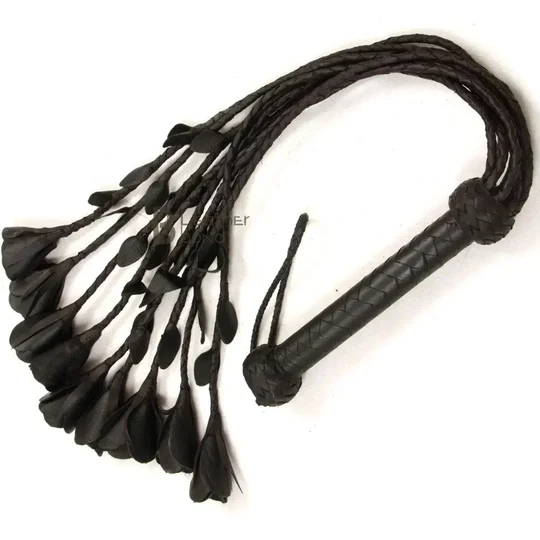
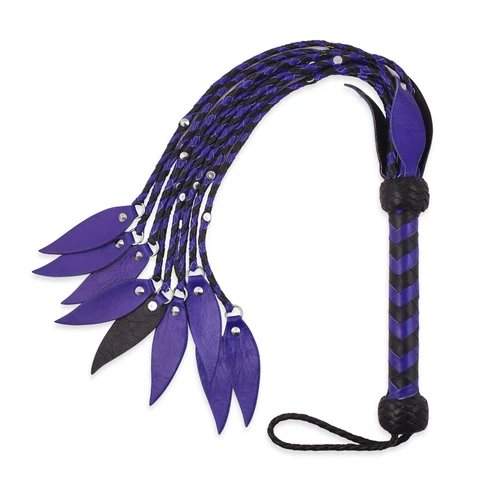
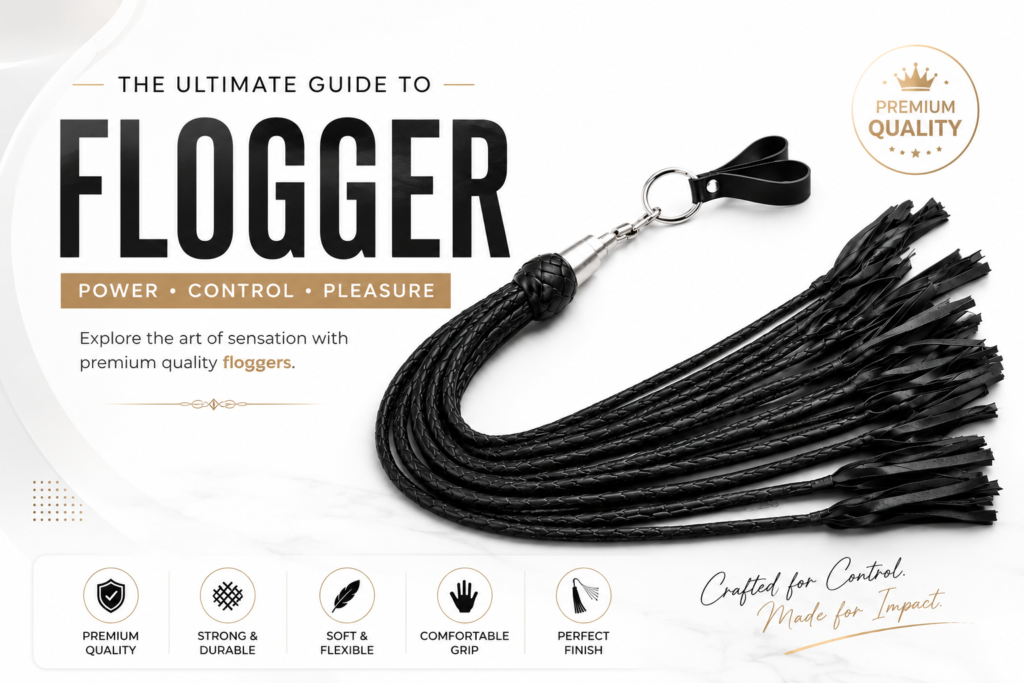
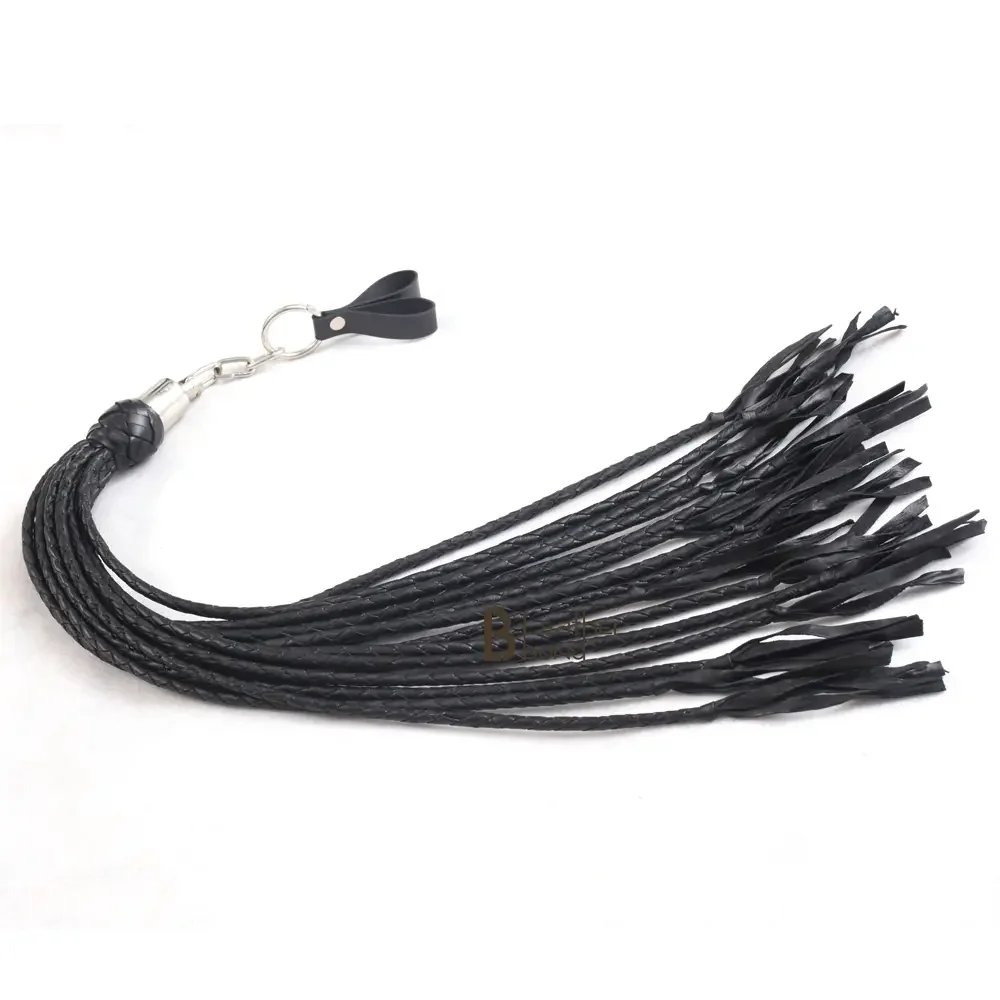
5. Braided Leather Flogger
Braided tails add weight and texture. On impact, the braiding creates a more complex sensation parts thud, parts catch and drag slightly. These are generally intermediate tools due to their intensity.
Best for: Experienced players looking to add variety to their collection.
How to Choose the Right Leather Flogger
Here are the key factors to evaluate before you buy:
Tail Count
More tails = wider coverage and more thud. Fewer tails (6–12) = more sting per strike. A flogger with 20–30 medium tails is an excellent all-rounder for most players.
Tail Length
Longer tails (18–24 inches) give more swing momentum and cover a larger area. Shorter tails (12–16 inches) are more precise and easier to control. Beginners often find shorter-tailed floggers easier to use accurately.
Tail Width
Wider, flat-cut tails produce more thud. Narrow, round-cut tails produce more sting. Check the product description carefully this single factor dramatically changes the sensation.
Handle Construction
A well-balanced flogger has a handle that feels secure and comfortable. Look for leather-wrapped handles with good grip. Heavy handles shift the balance point, which changes the swing feel significantly.
Quality of Leather
Look for full-grain or top-grain leather these are the highest quality cuts and will last years with proper care. Avoid bonded leather or split leather floggers, which degrade quickly with use. Read More
Safe Play: Using a Leather Flogger Responsibly
Safety is non-negotiable in impact play. Here’s what every player needs to know:
Learn the Safe Zones
The safest areas to strike with a flogger are the upper back, shoulders, buttocks, and upper thighs. Avoid the spine, kidneys, lower back, tailbone, backs of knees, and the neck. The kidneys in particular are vulnerable strikes to this area can cause serious injury.
Start Slow and Build Up
Begin with light, controlled strokes. Let the person receiving the sensation (the bottom) warm up before increasing intensity. Skin and tissue become more receptive as blood flow increases starting too hard too fast leads to injury and poor experiences.
Use a Safe Word System
Always agree on a safe word or signal before any scene begins. The most widely used system is the traffic light method: Green (continue), Yellow (slow down), Red (stop immediately). If the receiving partner is unable to speak (e.g., during roleplay), establish a physical signal like squeezing a hand.
Aftercare Matters
After any impact play scene, provide proper aftercare warm blankets, water, physical comfort, and verbal reassurance. The physical and emotional intensity of a scene can cause “drop” in both partners. Aftercare helps everyone return to baseline safely.
Inspect Your Equipment
Before every session, inspect your leather flogger for damage cracked tails, fraying ends, loose stitching on the handle. Damaged tails can behave unpredictably and cause unintended injury.
How to Care for Your Leather Flogger
A quality leather flogger is an investment. Treat it well and it will last years.
Conditioning: Apply a leather conditioner every few months to prevent the leather from drying out and cracking. Products like neatsfoot oil, leather honey or purpose-made leather conditioners all work well.
Cleaning: After use, wipe down the tails with a slightly damp cloth. Avoid soaking the leather in water this degrades the fibres. For hygiene between partners, use a leather-safe antibacterial cleaner.
Storage: Store your flogger hanging or laid flat in a cool, dry location away from direct sunlight. Avoid folding the tails tightly this can create permanent creases that weaken the leather over time.
Conditioning New Leather: New leather can be stiff. Condition it before first use and allow it to soften naturally over a few sessions. This break-in period is normal and improves the sensation profile of the flogger.
Frequently Asked Questions About Leather Floggers
What’s a flogger used for in BDSM?
A leather flogger is used for impact play the practice of consensually striking the body to produce physical sensation. Depending on the leather type and technique, floggers can produce sensations ranging from soft and warming to firm and intense.
Is a flogger the same as a whip?
No. A flogger has multiple tails and distributes force across a wider area. A whip typically has a single tail and delivers a much more focused, intense strike. Floggers are generally considered safer and more beginner-friendly than single-tail whips.
How painful is a leather flogger?
This completely depends on the leather type, tail count, swing technique and intensity. A suede flogger used gently can feel like a sensual massage. A stiff cowhide flogger swung with force produces significant impact. The person using it has full control over the intensity at all times.
Can beginners use a leather flogger?
Yes a leather flogger is one of the most recommended first impact toys for exactly this reason. Start with a lighter suede or soft cowhide flogger with 20+ medium tails, practice your swing technique and always start at low intensity.
How do I know if my leather flogger is good quality?
Look for full-grain leather, secure handle stitching, evenly cut tails and good balance when held. Quality floggers feel substantial without being unmanageably heavy. Reputable leather goods brands will specify the grade of leather used.
Why Choose a Leather Flogger Over Synthetic Alternatives?
Synthetic floggers (made from rubber, nylon or vegan leather) have their place they’re often more affordable, easy to clean and suitable for allergy-sensitive users. But leather floggers offer several advantages that synthetic materials simply can’t replicate:
Sensation quality: Genuine leather has a unique combination of weight, flexibility and surface texture that produces richer, more complex sensations than synthetics.
Durability: A well-made leather flogger outlasts synthetic alternatives by years. The leather softens and improves with use rather than degrading.
Aesthetic and sensory experience: The smell, appearance and feel of real leather are a significant part of the experience for many players. This isn’t just aesthetic preference sensory cues are an important part of psychological arousal and scene-setting.
Prestige and craft: Quality leather floggers are handcrafted. Owning one connects you to a tradition of leatherworking craftsmanship that goes back generations.
Final Thoughts: Investing in the Right Leather Flogger
A leather flogger isn’t just a piece of equipment it’s a tool for connection, sensation and trust between partners. Choosing the right one means understanding your experience level, your preferred sensations, and the quality of materials you’re buying.
Start with a well-made cowhide or suede flogger from a reputable leather goods brand. Learn safe play fundamentals before increasing intensity. Care for your flogger properly and it will serve you for years.
Whether you’re brand new to impact play or adding to an established collection a quality leather flogger is one of the most versatile and rewarding investments you can make.