Most people buying their first flogger make the same mistake: they choose based on how it looks. They pick the most dramatic option heavy black leather dramatic long tails and end up with something completely unmanageable for a beginner.
A flogger that looks intense is not necessarily a flogger that feels good. The right beginner flogger is one that gives you control, predictable sensation and room to learn technique without risking real harm.
This guide covers everything you need to know before you buy. Material, weight, tail length, handle design, sensation type all of it explained clearly so you can make a confident, informed choice.
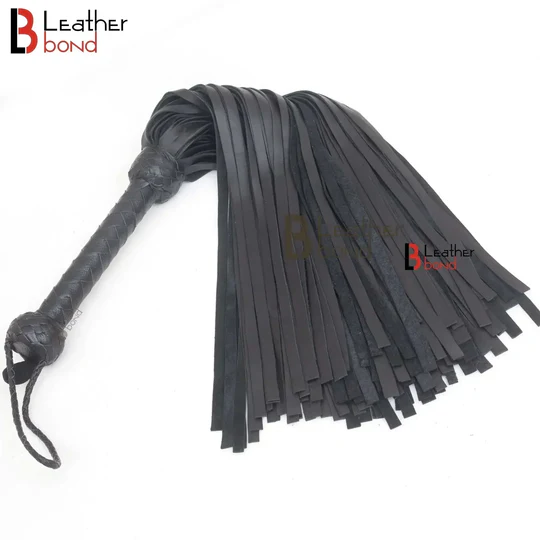
A flogger is an impact play tool with a solid handle and multiple tails usually between 8 and 40 that strike the body when swung. The sensation it creates depends on three main factors: the material of the tails the weight of the flogger and the swing technique used.
Unlike a single-tail whip a flogger distributes force across multiple tails hitting at once. This makes it significantly more forgiving and controllable. A whip concentrates all force into one thin strip far too advanced for beginners and capable of breaking skin with a single strike if used incorrectly.
Floggers are one of the most popular pieces of BDSM gear for good reason. Used correctly, they can produce sensations ranging from gentle warmth and light tingling all the way to deep, thudding impact. That range makes them one of the most versatile impact play tools available.
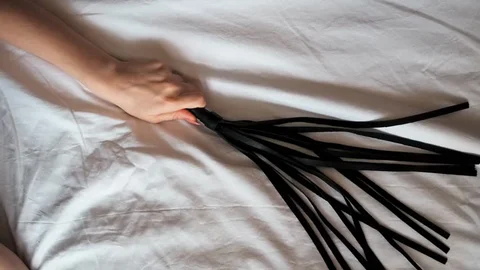
Beginners often confuse these three tools. They are not interchangeable.
Flogger: Multiple tails attached to a handle. Distributes impact across a wide area. Controllable, versatile and suitable for beginners with proper guidance.
Single-tail whip: One thin tapered tail. Concentrates all force into a single strike. Capable of breaking skin. Requires significant skill and practice. Not for beginners.
Riding crop: A rigid shaft with a small leather tip. Delivers precise targeted sensation. Lighter than a flogger but very accurate. Better for teasing and light strikes. A reasonable beginner option for gentle impact play.
Paddle: A flat striking surface. Delivers concentrated, sharp impact. Different sensation profile from a flogger sharper and more localized.
For beginners interested in impact play, a flogger is the safest and most rewarding starting point. It gives you the most control over sensation and the most room for error.
Understanding how a flogger is built helps you assess quality and choose the right one.
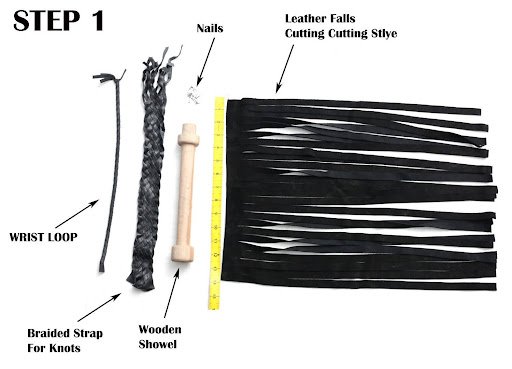
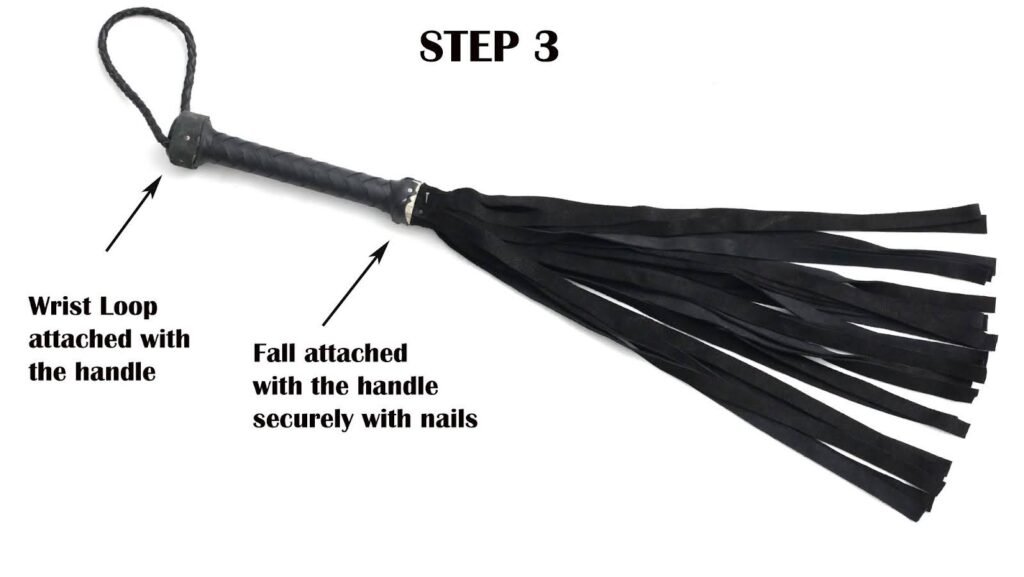
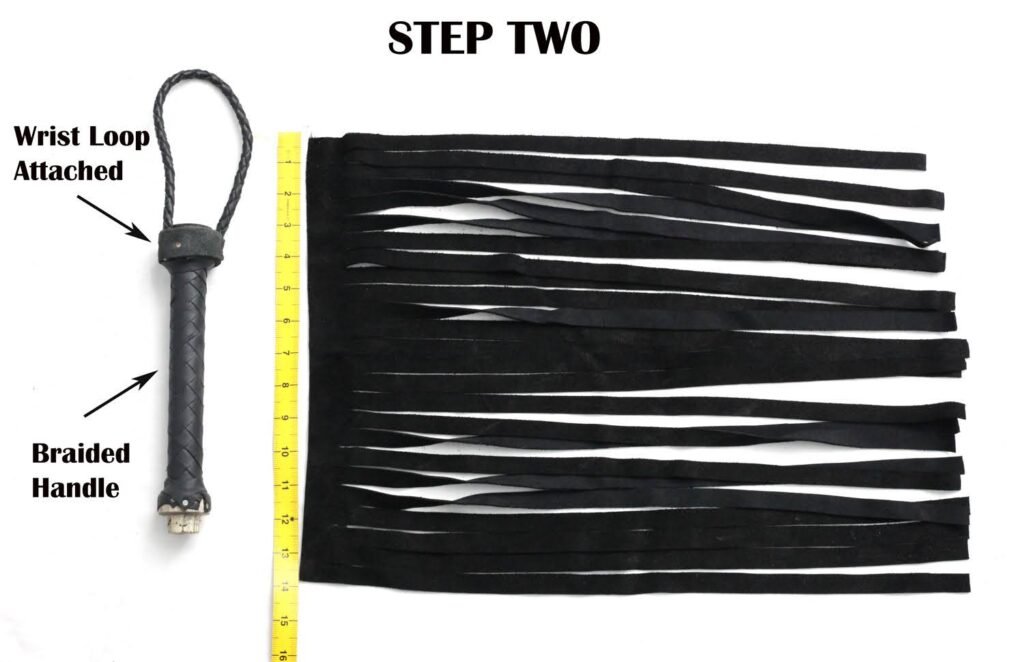
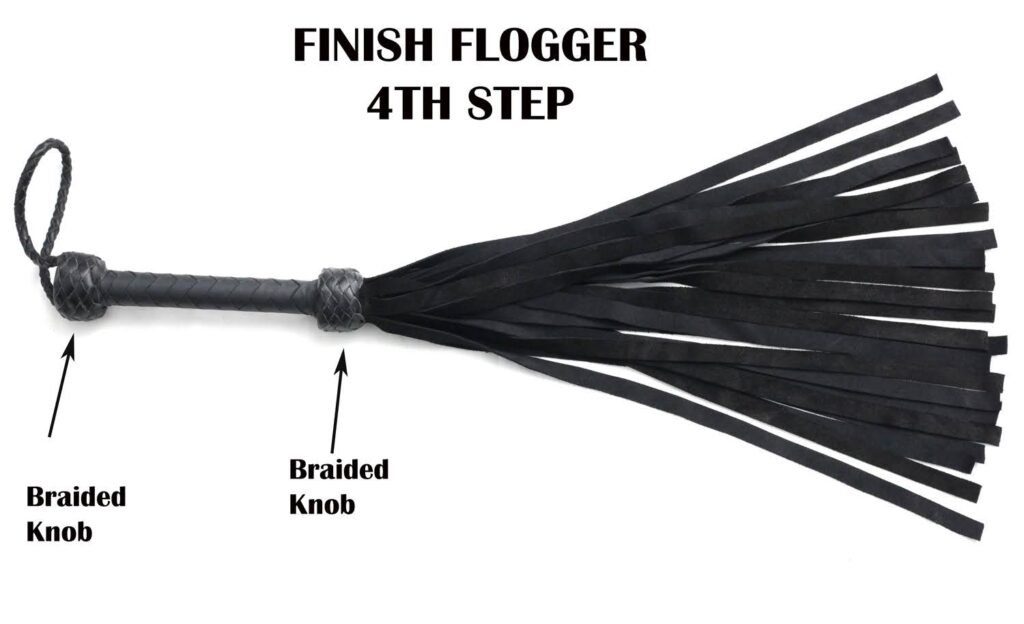
Handle The handle is where you grip and control the tool. A good handle is firm, comfortable to hold for extended sessions, and properly weighted to balance the tails. Handles are typically made from leather-wrapped wood, solid leather, or metal. Avoid handles that feel hollow or flimsy they affect control.
Transition / Falls Connection Point This is where the tails attach to the handle. It should be tightly bound, stitched, or riveted. Any looseness here means the flogger is poorly constructed and will degrade quickly under use.
Tails (Falls) The tails are the striking part of the flogger. Their material, thickness, length, and number determine the sensation. More tails generally mean a broader, more diffuse impact. Fewer, heavier tails concentrate force more intensely.
Tail Length Longer tails create more momentum and strike harder. Shorter tails give the dominant more precise control. For beginners, medium-length tails roughly 40–55 cm offer the best balance between reach and control.
Material is the single most important factor in choosing a beginner flogger. It determines sensation, intensity, sound, and how the tails behave on impact.
Suede is the best all-round material for a beginner flogger. The soft slightly textured surface creates a warm, thuddy sensation with a satisfying sound on impact. Suede tails are light enough to be very controllable but have enough substance to create real, noticeable sensation even at low intensity.
Suede is also forgiving. If your technique is imperfect and it will be as a beginner suede is far less likely to cause unintended marks or sharp pain than heavier leather.
Sensation: Warm, thuddy, moderate sting
Best for: Absolute beginners. First flogger purchase.
Maintenance: Brush lightly with a suede brush after use. Avoid moisture.
Leather floggers come in a wide range of weights and thicknesses. Thin, soft leather tails produce a sharp, stingy sensation. Thick, heavy leather tails create deep, thuddy impact sometimes described as a “punching” sensation rather than a sting.
A lightweight soft leather flogger is a good second flogger for someone who has learned basic technique on suede. Heavy leather floggers are for experienced practitioners only the force they generate at standard swing speeds is far beyond what a beginner should be working with.
Sensation: Sting to thud depending on thickness
Best for: Intermediate players. Light leather as a second purchase.
Maintenance: Condition with leather balm every 2–3 months. Wipe clean after use.
Rubber floggers are intense. They are heavier than leather at the same size, produce sharp stinging sensation, and leave marks easily. Rubber floggers are not beginner-appropriate.
If you’re curious about rubber, try it on yourself first strike your own palm gently and you’ll immediately understand why it requires experience and a partner who has very clear, established limits around intensity.
Sensation: Sharp, intense sting
Best for: Experienced players with established impact play dynamics
Maintenance: Wipe with damp cloth. Store away from direct sunlight to prevent degradation.
Fur, velvet, and fabric floggers are at the opposite end of the spectrum. They create gentle, tickling, or warmly diffuse sensations rather than impact. They’re excellent for sensory contrast play — alternating between a fur flogger and a leather one creates dramatically different sensations that amplify each other.
Sensation: Gentle, soft, teasing no real impact
Best for: Beginners, sensory play, warm-up and cool-down
Maintenance: Gentle hand wash or spot clean. Air dry fully before storage.
If you can’t identify what the tails are made from, don’t buy it.
Beyond material, floggers are often categorized by the sensation they produce.
Thuddy Floggers: Heavier tails that create deep, pressure-like impact. The sensation goes into muscle rather than sitting on the surface of skin. Suede and thick leather produce thuddy sensations. Many people find thuddy floggers easier to process and more enjoyable for longer scenes.
Stingy Floggers: Thinner, lighter tails that create sharp, surface-level sensation. Thin leather, cord, and rubber floggers tend to be stingy. Stingy sensations are more intense at lower force easier to go too far accidentally. Less appropriate for beginners.
Balanced Floggers: Medium-weight tails that sit between thud and sting. Many suede and mid-weight leather floggers fall into this category. For beginners, a balanced flogger gives you the widest range of sensation to explore without committing to one extreme.
Decorative or Novelty Floggers: Some floggers are sold primarily as aesthetic pieces elaborate designs, unusual materials, intricate knotwork. Be cautious. A beautiful flogger that wasn’t designed for practical use may have poor balance, inconsistent tail weight, or decorative hardware that creates unintended impact hazards.
Size and weight affect control more than almost any other factor.
For beginners: lighter is better. A lighter flogger gives you far more control over where the tails land and how much force is delivered. Heavy floggers generate momentum that is difficult to manage without developed technique.
Tail number: 16–24 tails is a good range for a beginner flogger. Fewer tails concentrate force. More tails spread it.
Handle length: A longer handle gives more swing range but reduces precision. For beginners, a mid-length handle around 25–35 cm offers the best balance.
Overall length: Measure the space you’ll be using. A 90 cm flogger requires significant clearance to swing safely. In a small space, shorter is safer.
Weight: Hold the flogger before buying if possible. It should feel comfortable and balanced not front-heavy (tail-heavy) or handle-heavy. An unbalanced flogger is tiring to use and difficult to control accurately.
Before you use any impact play tool, memorize these zones. This is not optional it is fundamental safety knowledge.
Safe zones for flogging:
Never strike these areas:
Print this list. Learn it. Refer to it every time until it is second nature.

Before the scene:
Basic swing technique: The figure-eight or pendulum swing is the most common beginner technique. Hold the handle at the end, swing the flogger in a smooth arc so the tails land flat on the target area. The tails should contact the skin and fall away cleanly they should not wrap around the body.
Tail wrap is the most common beginner mistake. When tails wrap around the body, their tips strike areas you didn’t aim for including the sides of the torso, ribs, or hip bones. To prevent wrap, keep your swing controlled and stay at a distance that keeps the tails from reaching around.
During the scene:
After the scene:
| Material | Sensation | Intensity | Beginner Suitable? | Maintenance |
|---|---|---|---|---|
| Suede | Thuddy, warm | Low–Medium | ✓ Best choice | Suede brush, keep dry |
| Soft leather | Sting to thud | Medium | ✓ Good 2nd flogger | Leather conditioner |
| Heavy leather | Deep thud | High | ✗ Too advanced | Condition regularly |
| Fur / fabric | Soft, tickling | Very low | ✓ Ideal warm-up | Gentle wash, air dry |
| Rubber | Sharp sting | High–Very high | ✗ Not for beginners | Wipe clean, avoid sun |
| Metal chain | Intense, harsh | Very high | ✗ Advanced only | Wipe, check for rust |
| Cord / nylon | Cutting sting | High | ✗ Not for beginners | Wipe clean |
A well-made leather flogger lasts years with proper care. Most beginners neglect maintenance and end up with cracked, stiff tails that don’t perform well and harbor bacteria.
After every use:
Every 2–3 months:
Storage:
When to replace:
At LeatherBond, our floggers are hand-stitched at every stress point and conditioned before shipping. Browse our leather flogger collection to find the right starting point for your kit.
Suede is the clear answer. It creates warm, controllable sensation, is highly forgiving of imperfect technique, and gives you a wide range of intensity just by adjusting your swing speed and force. Start with suede, develop your technique, then explore heavier leather options when you’re ready.
Somewhere between 16 and 24 tails is ideal for most beginners. This range distributes impact across a useful area without concentrating force. Floggers with fewer tails (under 12) deliver more focused, intense sensation that is harder to manage with limited experience.
Yes ,And you should. Hang a pillow or folded blanket at roughly shoulder height and practice your swing. Focus on keeping the tails from wrapping around the target, maintaining a consistent distance, and controlling where the tips land. Practising alone builds muscle memory and confidence before any scene.
No. A flogger has multiple tails and distributes impact across a wide area. A single-tail whip concentrates all force into one thin tail capable of breaking skin. They require completely different skill levels. A flogger is the appropriate starting point for beginners a whip is not.
Far lighter than you think necessary. Impact play is about sensation, not force. A gentle, controlled swing with a suede flogger produces more than enough sensation for an enjoyable scene. Build intensity gradually, check in constantly, and let your partner’s response guide you not your own assumptions about what “should” feel good.
Where can I buy a quality beginner flogger in the USA?
LeatherBond stocks a full range of handcrafted leather and suede floggers from gentle beginner options to heavier intermediate pieces. All are made with properly finished tails, balanced handles, and tight construction at the attachment point. Browse our impact play collection for the full range.
Choosing your first flogger comes down to one principle: start with control, not intensity. A suede flogger with medium-length tails, a balanced handle, and 16–24 falls gives you everything you need to explore impact play safely and enjoyably as a beginner.
Learn the safe zones before anything else. Practice your technique. Negotiate every scene. And build your experience gradually the range of sensation available in BDSM impact play is enormous, and there’s no rush to reach the deep end.
At LeatherBond, every flogger in our range is built to the standard this guide was written with craftsmanship, balance, and safety as the foundation. Explore our beginner flogger range and start your impact play journey the right way.