Ask ten experienced players what their favorite impact tool is, and a good chunk of them will say flogger. There’s a reason for that. A leather flogger can go from a slow warming thud to a sharp sting in the space of a few swings so it never really gets boring. Whether you picked one up last week or you’ve had one for a decade knowing how it actually works changes the whole experience.Think of it as the opposite of a single-tail whip. Instead of one strand delivering all the force to one tiny spot a flogger has a whole bundle of leather falls attached to a handle. That spreads the impact out which is exactly why so many people recommend it as a first BDSM impact tool. Spanking and a light riding crop session are the usual entry points into this kind of play, and a flogger is often the natural next step once someone in the kink community wants more range.How hard it lands and where comes down to three things really: the leather itself, how wide the falls are and your technique. Get those right and you can dial the sensation up or down almost like a volume knob.
This guide covers what a flogger actually is, the different styles out there, how to pick one for your level and the safety side that honestly matters more than any of it. There’s a maintenance section near the end too because a good leather flogger deserves to last.
Looking for something handcrafted? Leather Bond builds these with premium materials for beginners and seasoned players alike. And if you’re mainly after the best leather flogger for beginners, skip ahead to the suede and hybrid picks.
At its core a leather flogger is a multi-tail impact tool. One handle a bunch of leather strips (called falls) hanging off the end. Compare that to a cane or a whip both of which concentrate force into one small point and the difference is obvious.That spread is the whole point. Swing faster and it stings more. Slow down and use thicker falls and you get something closer to a deep, massage-like thud. A lot of players describe it as two completely different toys depending on how you handle it.
It’s usually the first BDSM impact tool people buy and that’s not an accident. You get room to learn without locking yourself into one fixed intensity.
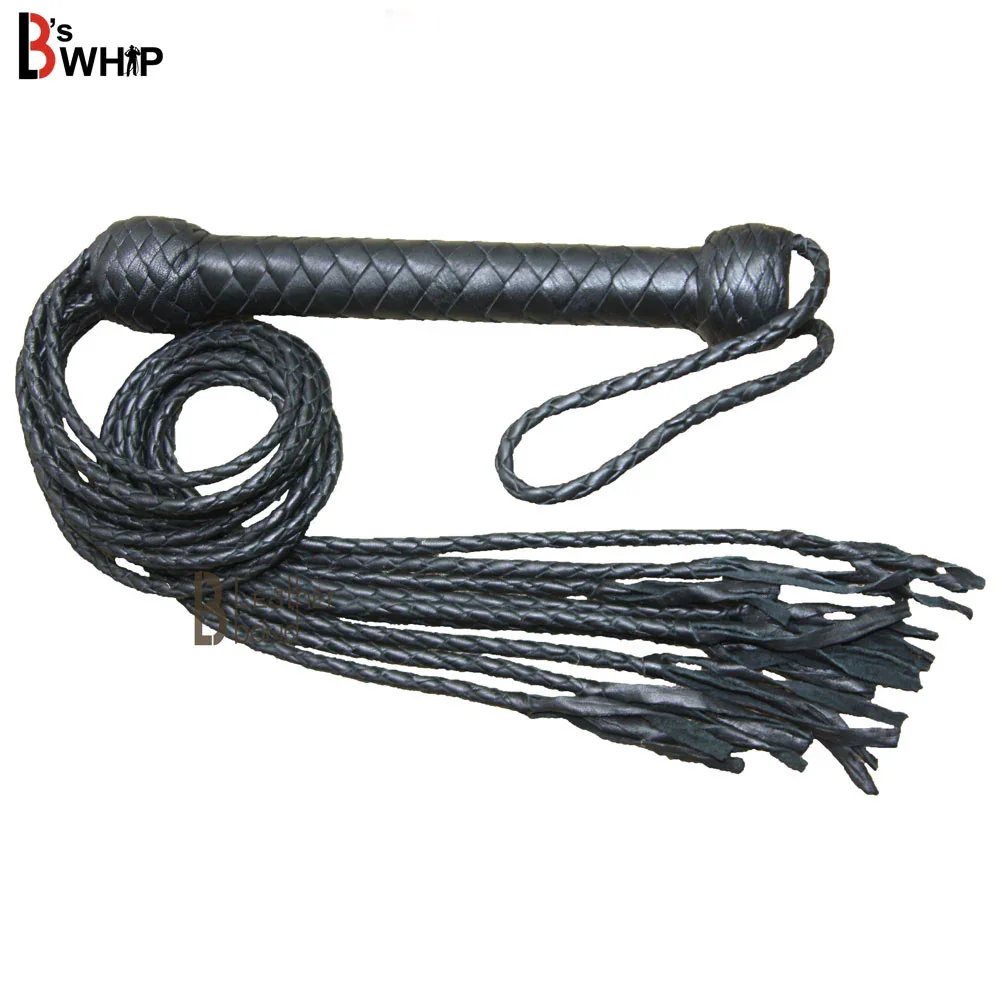
Two things decide which flogger is right for you, how experienced you are and what kind of sensation you’re chasing.
This is the gentle one. Soft falls warming sensations nothing sharp about it. A lot of couples use a suede flogger just to warm up the skin before switching to something firmer and it’s still one of the safest starting points for anyone new to impact play.
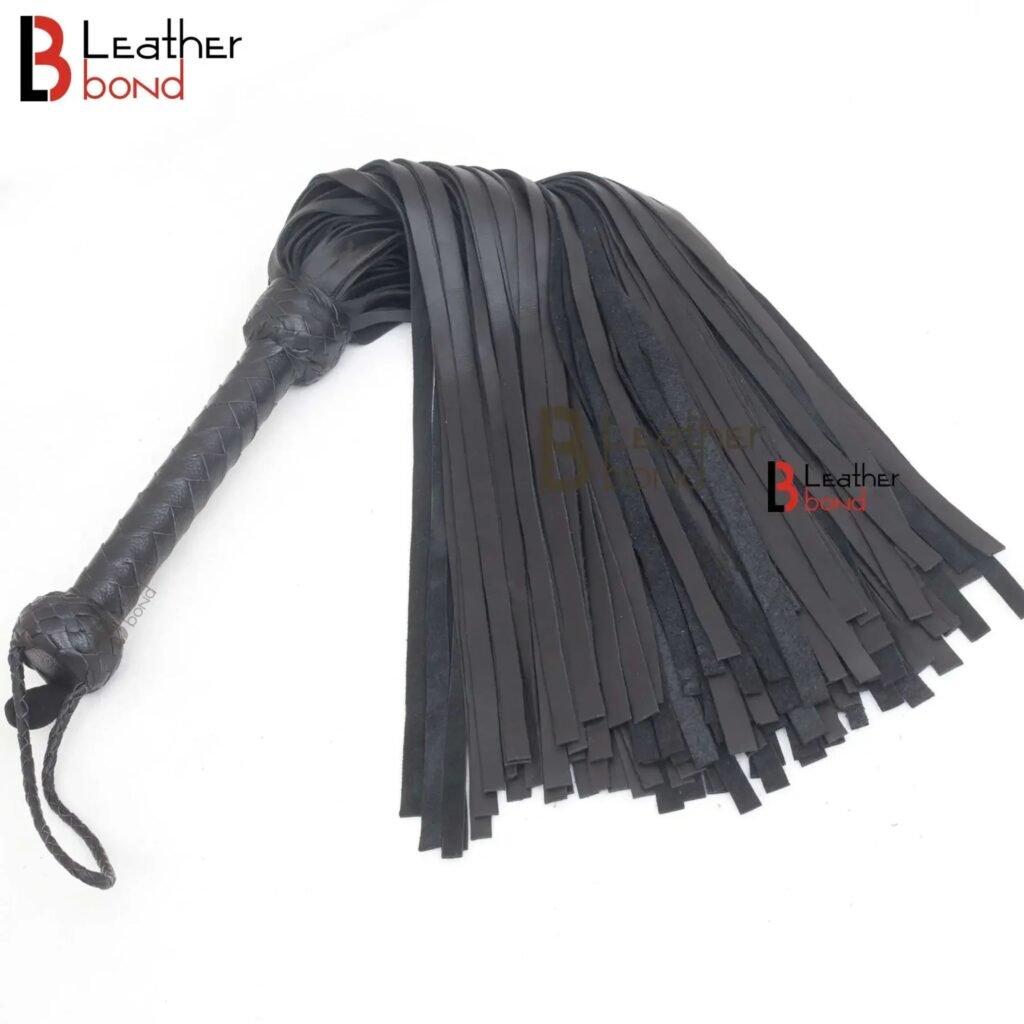
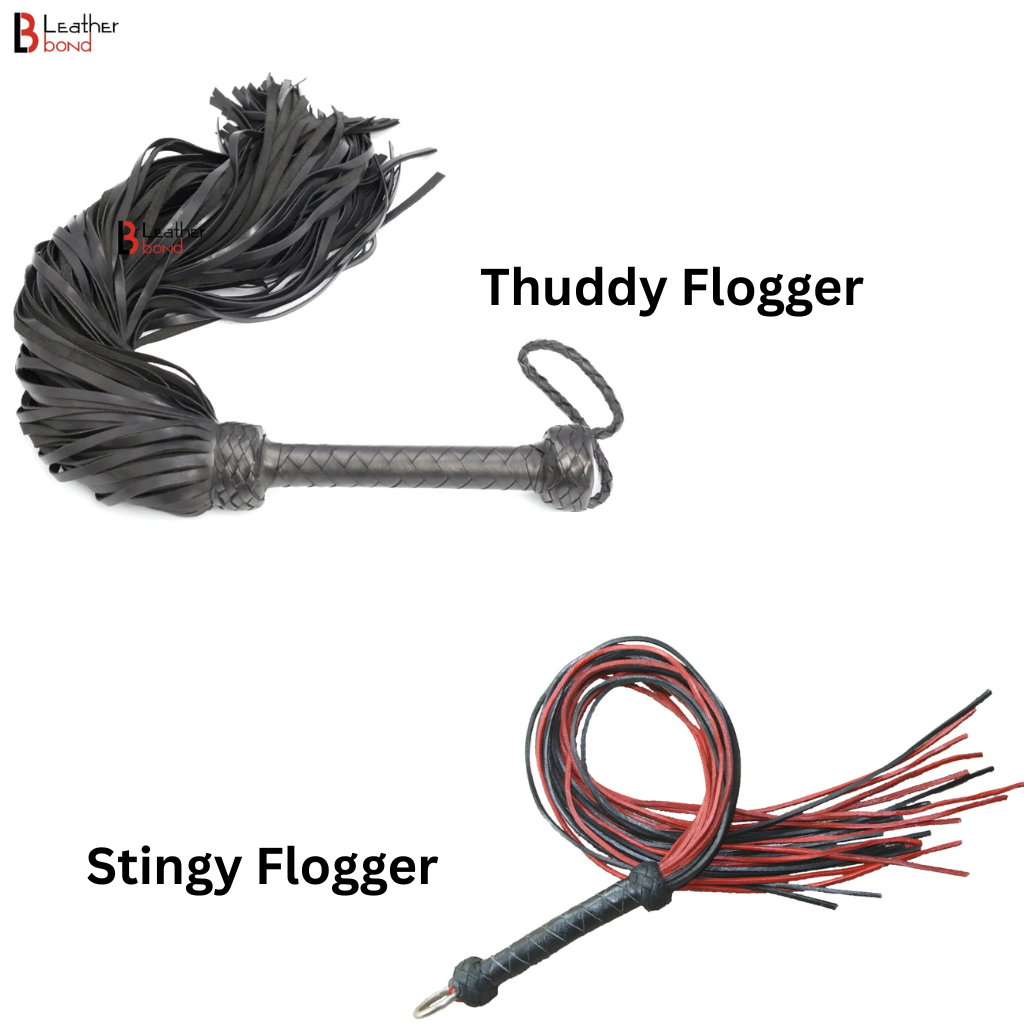
Thuddier floggers made from heavier, thicker falls such as cowhide, bullhide or leather. These punch hard and deep; it feels like a ”thud” or “punch” when hit to a flashy area.
Narrow, firm falls built for a sharper, faster hit. This one’s better suited to people who already know safe body zones and have decent technique, because that sting can be intense if it lands somewhere it shouldn’t.
Small enough to slip over your fingers. Great for precision, teasing sensitive areas, or just tossing in a bag when you travel. A nice, low-intensity option for beginners curious about sensation play.
Mixes different leather weights in a single tool, so you get thud and sting without switching gear mid-scene. Good pick if you like variety and don’t want to keep two floggers on hand.
Yes, more than people expect. A deerskin flogger feels soft, close to suede. Cowhide is firmer and stings more. Elk hide lands somewhere in the middle, prized for its thick, cushioned thud. If you’re comparing all this to a single-tail whip or a cat o’ nine tails, the flogger’s learning curve is noticeably gentler.Read More
| Feature | Leather | Suede |
|---|---|---|
| Impact | Medium to heavy | Light |
| Sting | Higher | Low |
| Thud | Medium | High |
| Beginner friendly | Moderate | Excellent |
| Durability | Excellent | Very good |
| Maintenance | Moderate | Easy |
New to impact play? Suede is the easier learning curve, full stop. Once you’ve built up some confidence and want more range, genuine leather opens the door to sharper sensations and much better durability over time.
It’s not just about impact. A good flogger builds trust between partners works as a sensory tool in its own right and supports the kind of power exchange dynamics a lot of couples enjoy exploring together.Because you can control intensity so precisely, it fits beginners and advanced users equally well. Sizes and weights vary a lot so there’s room to customize based on what you and your partner actually want. Used with real communication, it turns into one of the most flexible tools in any BDSM collection.
Doesn’t matter if you’re the top or the bottom, either. A flogger session only works because both people stay tuned in throughout. A lot of practitioners lean on frameworks like safe, sane, and consensual, or risk-aware consensual kink, just to keep expectations clear from the start. Some bottoms even describe drifting into subspace once a rhythm sets in, though that’s never guaranteed and shouldn’t be the goal. None of it happens, though, without honest scene negotiation before anything starts.
Leather Flogger Safety starts before the first swing not during it. Talk about boundaries. Talk about intensity. Agree on a safe word. Skip this step and you’re not really doing impact play responsibly no matter how good your technique is. Once you’re both on the same page, ease in. Slow, light swings across the big muscle groups warm the body up and get blood flowing before anything gets more intense. Keep watching your partner throughout, both what they say and what their body’s telling you, and be ready to pull back the second something feels off. Wrist tension is the enemy here. A relaxed wrist beats brute strength every single time. If you’re looking for a straightforward leather flogger technique guide, that’s really it: start slow, keep a steady rhythm, and check in constantly.
Where you strike matters just as much as how. Safe zones include the buttocks, the upper back away from the spine, the shoulders, and the back of the thighs. These are fleshy, muscle-heavy areas built to take impact without much risk.
Some areas are simply off-limits. The spine, kidneys, neck, face, elbows, knees, tailbone, abdomen, all of it. These sit too close to bone, nerves or organs, so even a light hit can cause real damage. Knowing these body-safe zones cold is one of the most important skills in this whole hobby, no matter how many years you’ve been doing it.
Newcomers almost always assume harder is better. It usually isn’t. Rhythm and aim matter far more than raw power, and practicing your swing on a pillow before ever using it on a partner will save you a lot of accidental bruising.Communication gets skipped a lot too, especially mid-scene once things get going. Check in regularly. Watch body language. Be willing to change the plan on the fly. Cheap equipment and skipped aftercare hurt the experience just as much. A handcrafted leather flogger, paired with real aftercare afterward, makes for a noticeably better and safer session every time.
Experience level and preferred sensation, that’s really what this comes down to. Suede forgives small mistakes, which is why beginners tend to gravitate toward it. Full-grain leather, on the other hand, gives more experienced players the stronger thud or sting they’re after.Don’t skip the handle. A well-balanced one cuts down on wrist fatigue during longer sessions and genuinely improves accuracy. Good stitching and quality leather keep the tool reliable for years, so craftsmanship is worth paying attention to, not just price. A handmade leather flogger from someone who actually knows the trade will almost always outlast a mass-produced one.
If this is your first purchase, it pairs naturally with a broader BDSM starter kit, maybe soft restraints or a blindfold. And when you’re figuring out where to buy a handmade leather flogger, stick with a kink-friendly retailer that specializes in leather goods rather than a generic novelty shop. You’ll get better materials and far more honest product descriptions.
Skill here comes from practice, not repetition for its own sake. Focus on rhythm and consistent aim rather than chasing harder hits. Practicing on a soft target first lets you work out your mechanics before you’re ever using it on a real partner.
Once your control improves, you’ll be able to switch between thuddy and stingy sensations almost on command. That kind of precision is what separates a decent session from a genuinely great one, and it only comes with time.
Care keeps the leather flexible and the tool safe to use for years. Wipe the falls down with a soft, slightly damp cloth after every session to remove oils and residue. Let it air dry completely before putting it away somewhere cool, dry and out of direct sunlight. Condition the leather every few weeks. A quality leather conditioner stops cracking and keeps the falls supple and that directly affects how the flogger feels in your hand during a scene. Gear that’s well cared for doesn’t just last longer, it actually performs better too.
People lump these two together a lot, but they’re really not the same tool. A leather whip delivers one concentrated point of contact, and that takes serious skill to control safely. A flogger spreads that same force across multiple falls, which softens the sensation and forgives more mistakes.That’s exactly why floggers get recommended to beginners so often. You build body awareness and aim without the steep learning curve a whip demands right out of the gate.
A flogger doesn’t have to mean hard strikes at all. Light, trailing strokes across the skin can stimulate nerve endings without any real impact behind them, and that kind of sensory play builds anticipation in a completely different way.
Plenty of couples pair a flogger with blindfolds or soft restraints just to mix things up. Whatever the intensity, gentle or otherwise, the same rule applies: clear communication and enthusiastic consent, every time.
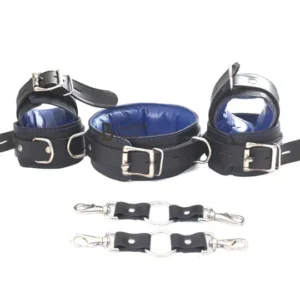
A solid flogger makes a good foundation for anyone building out a broader collection. As confidence grows, most people add restraints, collars, paddles, and other bondage accessories to open up more variety in a scene.Sticking with handcrafted leather across your whole collection pays off. Same quality, same feel same reliability every time you reach for it, and that consistency matters more than people expect once a collection grows past a single tool.
Every flogger at Leather Bond is handmade with premium materials and traditional leatherworking techniques. That shows up in the balance, durability, and comfort of the finished piece, whether you’re just starting out or you’ve been doing this for years.
Take a look at the Leather Bond collection for handcrafted floggers, leather whips, and bondage accessories built to the same standard throughout.
What is a leather flogger? It’s a multi-tail impact tool made of leather falls attached to a handle, capable of sensations ranging from a soft thud to a sharp sting.
How do beginners use a leather flogger? Start with light, slow swings on safe zones like the buttocks or upper back, then increase intensity gradually as confidence builds.
Is a leather flogger better than suede? Not really “better,” just different. Suede suits beginners and gentler sensation play, while leather offers more intensity and durability for experienced users.
What areas are safe for flogging? The buttocks, upper back away from the spine, shoulders, and back of the thighs. Avoid the spine, kidneys, neck, and joints entirely.
How do you clean a leather flogger? Wipe the falls with a damp cloth after each use, let it air dry fully, and condition the leather every few weeks.
How long does genuine leather last? With regular conditioning and proper storage, a full-grain leather flogger can easily last for years.
Can beginners use leather floggers? Yes, especially lighter models or hybrids, though a lot of beginners start with suede before working up to firmer leather.
How do you choose the right flogger? Match it to your experience level and the sensation you’re after, then prioritize handle balance and leather quality over price.
Should I buy handmade leather floggers? Generally, yes. Handmade options tend to offer better craftsmanship, stronger stitching, and better long-term performance than mass-produced ones.
What is the difference between thud and sting? Thud comes from thicker falls delivering deep, diffuse pressure. Sting comes from narrower, firmer falls creating a sharp, focused hit.