Shopping for a handmade leather flogger for sale can feel overwhelming when every listing claims to be premium or authentic. This guide breaks down what actually separates a handcrafted flogger from a mass-produced one, what it is made from, who it suits, and how to choose the right one for you. By the end, you will know exactly what to look for before you spend a dollar.
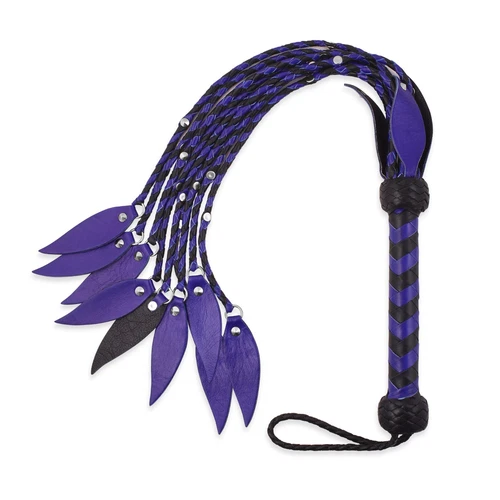
A leather flogger is an impact tool made up of multiple leather tails, sometimes called falls, attached to a central handle. It is one of the most recognizable pieces of gear in impact play, used to create a range of sensations from a light thuddy warmth to a sharper sting, depending on the material, tail length and how it is used.
Unlike a whip or a cane, a flogger spreads impact across a wider surface area, which makes it more forgiving for beginners while still offering plenty of range for experienced users who want more intensity.
A handmade flogger works for a wide range of people, not just experienced practitioners. It suits:
Because tail weight, leather type and handle design all affect sensation a handmade flogger gives buyers far more ability to match the tool to their comfort level than a generic factory-made option.
Quality matters most in the materials. Handmade floggers are typically built from:
Handle materials vary too, ranging from wrapped leather to wood or resin cores, each affecting balance and grip. Reinforced stitching and riveted tail attachments are what separate a flogger that lasts for years from one that falls apart after a few sessions.
Handle feel comes down to three things: grip, weight, and balance. A well-made handle should sit comfortably in the hand without slipping, even during extended use. Leather-wrapped handles tend to offer the most natural grip and mold slightly to the user’s hand over time, while wood or resin cores add weight that shifts the balance point and changes how the tails move on impact.
A handle that is too light can make the flogger feel flimsy and hard to control. One that is too heavy can tire the arm quickly. The best handmade options are weighted specifically to balance control and comfort together.
Every LeatherBond flogger is handcrafted using full-grain leather, reinforced stitching, and riveted tail construction designed to hold up under real, repeated use. Unlike mass-produced alternatives that rely on bonded or lower-grade leather, our pieces are built one at a time by skilled leatherworkers who understand how tail weight, material, and handle balance affect actual performance, not just appearance.
That attention to detail means a LeatherBond flogger is built to last for years, not months. Explore the full collection at LeatherBond.co to see the craftsmanship for yourself.
A few questions can help narrow down the right piece:
There is no single “best” flogger, only the one that matches your comfort level and intended use.
Proper care keeps a handmade leather flogger soft, flexible, and long-lasting:
With regular care, a well-made leather flogger can stay in excellent condition for years of use.
A leather flogger is an impact tool made of multiple leather tails, called falls, attached to a single handle. Unlike a single-tail whip, it spreads sensation across a wider surface area, which makes it more forgiving and easier to control. Tail material, tail count, and handle weight all affect how a flogger feels in use, ranging from a soft thud to a sharper sting depending on the leather type.
Start with experience level. Beginners tend to do better with softer materials like deerskin or suede and a moderate tail count, since these produce a gentler, more forgiving sensation. If sharper intensity is the goal, cowhide or latigo falls with fewer, thicker tails deliver more sting per strike. Handle length affects reach and control, so think about whether it will be used solo or with a partner. Even stitching, consistent tail length, and a well-balanced handle are signs of solid construction regardless of price.
A flogger has multiple tails and spreads impact across a broad area, making the sensation feel more like pressure than a strike. A whip, particularly a single-tail or bullwhip, concentrates force into one narrow point of contact, producing a sharper, more precise sensation. Whips generally require more skill and practice to use safely and accurately, while floggers are more beginner-friendly since the wider spread reduces the risk of hitting an unintended spot.
Wipe the falls down with a slightly damp cloth after each use to remove residue, then let them air dry completely before storing. Condition the leather every few months to keep it supple and prevent cracking, more often if it sees frequent use. Store the flogger flat or hanging rather than tightly coiled so the falls keep their natural shape, and keep it away from direct sunlight and humid environments, both of which speed up drying and damage over time.
A good bullwhip comes down to balance, taper, and plaiting quality. The whip should taper evenly from the handle to the tip so the crack travels cleanly through the length of the whip rather than losing energy partway. Tight, even plaiting keeps the whip’s shape consistent and prevents premature fraying. A well-made handle, or belly, should feel balanced in the hand rather than tip-heavy, since that balance directly affects control and accuracy during use.
Leather whips are prized for their feel, flexibility, and the way they age and break in with use, developing a suppleness synthetic materials rarely match. They do require conditioning and careful storage to avoid drying out or cracking. Synthetic whips, often made from paracord or nylon are more weather-resistant and require little maintenance but they typically lack the same natural taper and crack quality that leather offers. For most practitioners, leather remains the preferred choice for performance, while synthetic options appeal to those wanting a low-maintenance alternative.
With proper conditioning and storage, a well-made leather bullwhip can last for years, even decades, of regular use. Lifespan depends heavily on maintenance: whips that are conditioned regularly and stored away from moisture and direct sunlight hold their shape and flexibility far longer than neglected ones. Frequency of use also matters, since whips used daily will show wear sooner than those used occasionally, regardless of build quality.
Bullwhips take more practice to use safely and accurately than floggers, so beginners should expect a learning curve before achieving consistent cracks. Starting with a shorter, lighter whip makes it easier to build technique before moving to longer or heavier options. Space matters too, since a full crack requires enough clearance to extend the whip without hitting anything nearby. Quality construction, even taper and tight plaiting, matters more for beginners than length, since a well-balanced whip is significantly easier to learn on than a poorly made one.
Prices vary based on leather type, tail count, and handle materials, but handmade pieces generally cost more than factory-made options due to the labor and quality of materials involved.
Handmade floggers typically use higher-grade leather and stronger construction methods, which means better durability and more consistent sensation over time compared to mass-produced alternatives.
With proper care and conditioning, a well-made leather flogger can last for many years, even with regular use.
Deerskin or suede are popular beginner choices because they deliver a softer, more forgiving sensation.
Ready to find the right piece for you? Shop the full handmade leather flogger collection at LeatherBond.co and see the craftsmanship difference for yourself.