A flogger is a handheld impact toy made up of a handle and a bundle of soft falls (tails) crafted from leather, suede, deerskin, rope, or synthetic material. Used in BDSM and impact play, a flogger delivers sensation ranging from a gentle thud to a sharp sting depending on the material, technique, and force behind each stroke.
Floggers are one of the most popular entry points into impact play because they are versatile, relatively easy to control, and available in styles suited to both beginners and experienced players. This guide covers what a flogger is used for, the main types on the market, how flogger sensation compares to a whip, and how to use one safely.
A flogger is used to deliver rhythmic impact sensation across broad areas of the body, most commonly the back, chest, thighs, and buttocks. Depending on the flogger’s weight and material, it can be used for:
The experience a flogger creates falls on a spectrum from “thuddy” (a deep, muffled impact that spreads across a wide surface) to “stingy” (a sharper, more localized bite). Where a specific flogger lands on that spectrum depends almost entirely on its material and fall thickness.
Not all floggers feel the same. The material of the falls is the single biggest factor in how a flogger performs, followed by fall length, weight, and handle design.
| Flogger Type | Sensation | Best For |
|---|---|---|
| Deerskin | Soft, thuddy, gentle | Beginners, sensual play |
| Suede | Soft to medium thud | Beginners, warm-up |
| Leather (cowhide) | Medium thud with light sting | Intermediate players |
| Rope | Sharper sting, lightweight | Experienced players |
| Paracord | Firm sting, durable | Experienced players, outdoor or scene play |
| Dragon tail | Very sharp, concentrated sting | Advanced players |
| Finger flogger | Small, light, precise | Beginners, close-contact play |
Deerskin floggers are prized for being one of the softest options available, making them a common recommendation for anyone flogging or being flogged for the first time.
Suede floggers sit close to deerskin in softness but tend to be more affordable and widely available, which is why they show up so often in beginner sets.
Leather floggers, typically made from cowhide, offer a firmer thud with a bit more sting as force increases. These are often chosen once a beginner wants more intensity without jumping straight to a stingier material.
Rope and paracord floggers trade softness for sharper, more defined sensation. Paracord in particular holds up well to repeated use and heavier strokes, which is why experienced players and scene professionals often reach for it.
Dragon tail floggers, which use a single tapered braided tail rather than multiple falls, concentrate force into a small point of contact and are considered an advanced tool.
Finger floggers are miniature versions designed for lighter, more localized sensation, often used on smaller or more sensitive areas of the body.
A flogger and a whip are often used interchangeably in casual conversation, but they are built and used differently.
A flogger has multiple soft falls attached to a single handle and is swung so that several tails make contact at once, spreading the impact across a wider area. A whip, by contrast, is typically a single tapered length of material designed to deliver a precise, concentrated strike, and generally requires more skill and space to use safely.
In short: a flogger spreads sensation across a surface, while a whip concentrates it at a single point. Most beginners find floggers easier to control and safer to learn on.
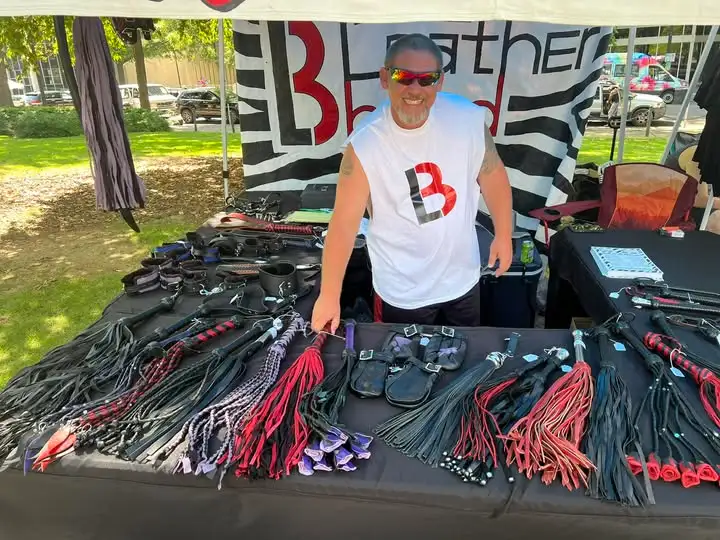
Using a flogger safely comes down to communication, technique, and body awareness.
Whether a flogger hurts depends on the material, the force used, and where it lands. A soft deerskin or suede flogger used with light strokes can feel more like a rhythmic massage than pain. A firmer leather, rope, or paracord flogger used with heavier force will produce a sharper, more stinging sensation. This is why choosing the right flogger for your experience level, and building up intensity gradually, matters so much for a comfortable first experience.
If you are shopping for your first flogger, softer materials like deerskin or suede give you the most room to learn technique without overwhelming sensation. As you and your partner get more comfortable, you can graduate to firmer leather or rope options for more intensity.
Explore handmade leather floggers and impact toys at LeatherBond.co for premium, ethically crafted pieces built to last.
Is a flogger the same as a whip?
No. A flogger has multiple soft falls attached to one handle and spreads impact across a wide area, while a whip is a single tapered length designed for a precise, concentrated strike.
What is a flogger toy used for?
A flogger toy is used to deliver rhythmic impact sensation during BDSM or sensual play, ranging from soft, thuddy strokes to sharper, stingy ones depending on the material and technique used.
Is deerskin or suede better for beginners?
Both are considered beginner-friendly. Deerskin tends to be slightly softer overall, while suede offers a similar gentle feel at a more accessible price point.
How do I clean and care for a leather flogger?
Wipe the falls down with a damp cloth after use, let the flogger air dry away from direct heat, and condition the leather periodically to keep it supple and prevent cracking.
What is florentine flogging?
Florentine flogging is an advanced technique where a top holds a flogger in each hand and alternates strokes, often in a continuous figure-eight motion, requiring practice to master safely.
Do floggers hurt more than paddles or crops?
Not necessarily. A soft flogger typically produces less localized pain than a paddle or crop because the impact is spread across multiple falls rather than concentrated in one spot. A firm, stingy flogger, however, can feel more intense than a light paddle.