Most people hear “BDSM gear” and picture something extreme. The reality is far more grounded and far more accessible.
BDSM gear is simply the equipment used in consensual bondage, dominance, submission and sensation play. Some of it is elaborate. Most of it isn’t. A leather collar, a pair of wrist cuffs or a simple blindfold these are all BDSM gear. And millions of couples use them every day.
According to a 2016 study in the Journal of Sexual Medicine, nearly 47% of adults have tried at least one BDSM activity. Yet there’s almost no straightforward, safety-first information about the gear involved. This guide fixes that.
Here you’ll find every major type of BDSM gear explained clearly what it does, how it’s used, and what to watch out for before you buy or try anything.
BDSM gear is any tool, accessory or item used to facilitate consensual kink activities between partners. The term covers a huge range of products from leather restraints and collars to floggers, blindfolds, bondage rope and fetish wear.
What separates proper BDSM gear from improvised alternatives is design intent. Purpose-built bondage equipment is made with safety features built in: quick-release buckles, rounded edges, non-toxic materials, adjustable sizing. Improvised gear zip ties, belts, extension cords lacks all of those features and causes a significant proportion of kink-related injuries.
The National Coalition for Sexual Freedom (NCSF) consistently emphasizes one point above all others: use equipment designed for the purpose. It isn’t about being precious. It’s about the fact that BDSM involves vulnerability, and vulnerability requires trustworthy tools.
There’s a temptation among beginners to start cheap grab something from a costume shop, improvise with household items or buy the lowest-priced option on a generic marketplace. This approach creates real risk.
Here’s why quality matters specifically:
Investing in quality kink accessories from a reputable supplier is not a luxury. It is a safety decision.

BDSM gear falls into six broad categories. Understanding each one helps you identify what interests you, what’s appropriate for your experience level and what to prioritize when building your first bondage kit.
Restraint gear is the largest and most foundational category. It includes anything used to limit or control a partner’s movement.
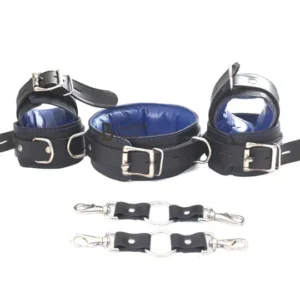
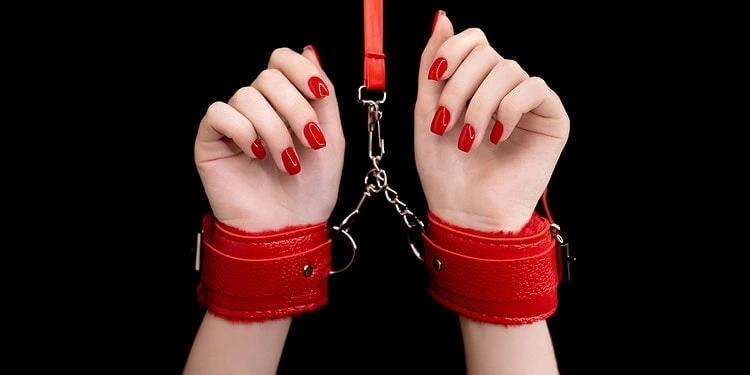
Wrist and Ankle Cuffs: Leather cuffs are the gold standard for beginner restraint. They’re padded, adjustable, and hold securely without restricting blood flow the way rope can. A good cuff has a D-ring for attachment and a quick-release buckle not just velcro, which fails under tension.
The two-finger rule: after fastening a cuff, two fingers should fit comfortably underneath it. If they don’t, it’s too tight.
Spreader Bars: A spreader bar holds the wrists or ankles at a fixed distance apart. This creates genuine immobility without complex knotwork. Adjustable bars are better for beginners. Always check in with your partner regularly when using a spreader bar prolonged positions can cause strain.
Bondage Rope: Rope bondage, including Shibari (Japanese rope tying), is one of the most visually and sensually striking forms of restraint. It is also the most technical. Beginners should use soft cotton rope and always keep safety scissors within arm’s reach. Never tie around the neck. Never leave a bound partner alone, even briefly.
Bondage Tape: The most beginner-friendly restraint option. Bondage tape sticks only to itself not to skin or hair. It creates firm restraint, releases instantly and requires zero technique. It’s a smart first purchase for anyone just starting out.
Hog Ties and Connector Clips These connect cuffs together wrist to ankle, wrist to wrist to create specific restraint positions. They’re simple metal connectors and add significant versatility to a basic cuff set.
Sensory play gear is designed to heighten, alter or restrict the senses. It often produces intense experiences without any physical contact at all.
Blindfolds: Removing sight amplifies every other sense. Touch, sound and anticipation all intensify dramatically. A quality blindfold blocks light completely and sits comfortably without pressing on the eyes. Leather or velvet-lined blindfolds are far superior to thin fabric alternatives.
Wartenberg Wheels: Originally a neurological testing tool the Wartenberg pinwheel is now a BDSM staple. Rolled across skin it creates a sharp, electric-feeling sensation without breaking the surface. Combine it with a blindfold for maximum effect. Use only on fleshy areas back, thighs, forearms and never on bone or the face.
Candles (Wax Play): Low-temperature soy or paraffin candles are used to drip warm wax onto skin. The sensation ranges from mild warmth to sharp intensity depending on height and candle type. Always use candles specifically marketed for wax play regular candles burn at temperatures that cause burns. Test on your own wrist first.
Feather Ticklers: One of the gentlest sensation tools available. A soft feather tickler creates light, teasing sensations across skin. Excellent for warm-up, teasing and contrast play when combined with sharper sensations.
Nipple Clamps: Nipple clamps apply steady pressure during wear, with the main sensation often coming at removal when blood rushes back. Always use adjustable clamps with padded tips. Limit wear time to 10–15 minutes for beginners. Fixed-tension clamps are not appropriate for first-time use.
Impact play involves striking the body for sensation. It ranges from gentle hand spanking to structured flogging. All impact play requires knowledge of safe strike zones.
Safe Zones: Upper back, buttocks, upper thighs these areas have sufficient muscle and fat to absorb impact safely.
Avoid Always: Spine, kidneys (lower back), tailbone, joints, neck, head and the back of the knees.
Floggers: A flogger has a handle and multiple tails, usually made from leather or suede. The sensation varies dramatically based on material weight: lighter suede tails feel stingy and sharp; heavier leather tails feel thuddy and deep. For beginners, a medium-weight suede flogger is the most forgiving option.
Paddles: A paddle delivers concentrated, sharp impact to a single area. Leather paddles are a classic piece of fetish gear. Start with a smaller, lighter paddle and build up gradually paddles leave more intense marks than floggers at the same force.
Crops: A riding crop is a thin, flexible rod with a small leather tip at the end. It delivers precise, targeted sensation. Crops are excellent for light impact and teasing. The small striking surface means every hit lands exactly where you aim which demands accuracy and care.
Canes: Canes are advanced impact tools. They deliver intense, precise impact with a high risk of bruising or breaking skin if used incorrectly. Not appropriate for beginners.
In a dominant and submissive dynamic, collars carry deep symbolic weight. A collar can represent ownership, commitment, protection, or simply a role taken on during a scene. The meaning is defined entirely by the people wearing and giving it.
Day Collars Designed to look like regular neckwear subtle enough to be worn in public. Typically a fine leather band or delicate chain. Worn continuously by some submissives as a symbol of their dynamic.
Play Collars Wider, more decorative collars designed specifically for scenes. Usually made from thick leather with a prominent D-ring for leash attachment.
Training Collars Used during an active collaring or training period between partners. Often a middle ground between day and play collar in terms of appearance.
Safety rule for all collars: Never attach a leash directly to a neck collar during active movement or pulling. Use a harness for leash attachment, or ensure the collar has a breakaway safety release.
Leashes: A leather leash attaches to the D-ring on a collar or harness. It’s used to lead, direct, or symbolically control a submissive during a scene. Keep leash handling gentle never yank or pull sharply on anything connected near the neck.
Gags restrict speech and create a clear, physical symbol of the submissive role. They’re popular in scenes involving complete control. They also require specific safety adaptations because they remove the ability to use a verbal safeword.
Non-verbal safeword rule: Before using any gag, both partners must agree on a non-verbal safeword typically dropping a held object or tapping three times. This is non-negotiable.
Ball Gags The most common type. A sphere (silicone or rubber) held in the mouth by an adjustable strap. Always use medical-grade silicone non-certified materials are not body-safe. Never gag someone with nasal congestion or breathing difficulties.
Bit Gags A horizontal bar held in the teeth, similar to a horse’s bit. Generally more comfortable than a ball gag for longer wear. Adjustable strap versions are preferred.
Muzzle Gags Cover the lower face rather than entering the mouth. Less intrusive than ball gags and often preferred by beginners.
Time limits: Keep gag use to 20–30 minutes maximum for beginners. Watch your partner’s face and breathing throughout never become distracted during gagged play.

Fetish wear is clothing designed specifically for BDSM or kink contexts. It serves both aesthetic and functional purposes it signals roles, creates atmosphere, and in some cases directly facilitates play.
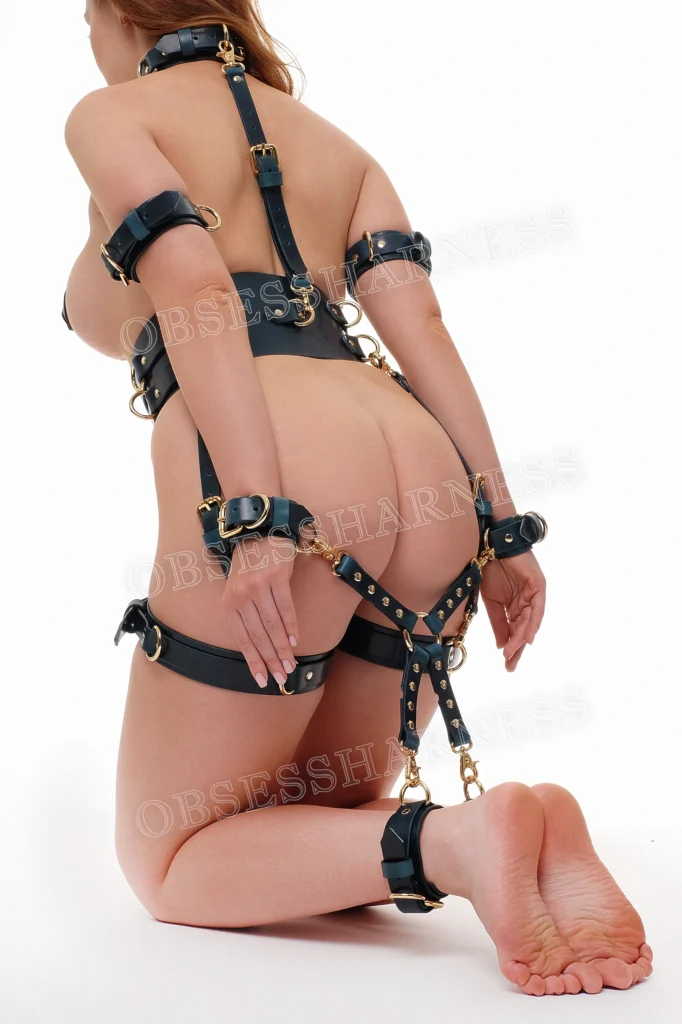
Leather Harnesses: Body harnesses in leather are both visually striking and functionally useful. Chest harnesses provide attachment points for restraint. Thigh harnesses add restraint options for the legs. Quality leather harnesses should be adjustable and stitched at every stress point.
Latex and PVC Clothing: Tight-fitting latex or PVC outfits are common in BDSM scenes. They require specific care — latex degrades with oil-based products and needs silicone-based lubricant for maintenance. Always check for latex allergies before first use.
Hoods and Masks: Full or partial hoods create intense sensory deprivation and role immersion. Leather hoods are the premium option. Always ensure adequate ventilation never use a hood that restricts breathing.
Role-Specific Attire: Many BDSM practitioners use clothing to mark roles clearly: a dominant in structured leather, a submissive in softer, more vulnerable attire. This is a personal choice and varies widely between dynamics.
| Gear Type | Beginner | Intermediate | Advanced |
| Wrist/ankle cuffs | ✓ | ✓ | ✓ |
| Blindfold | ✓ | ✓ | ✓ |
| Bondage tape | ✓ | ✓ | ✓ |
| Collar and leash | ✓ | ✓ | ✓ |
| Wartenberg wheel | ✓ | ✓ | ✓ |
| Feather tickler | ✓ | ✓ | ✓ |
| Nipple clamps | With care | ✓ | ✓ |
| Suede flogger | With care | ✓ | ✓ |
| Spreader bar | With care | ✓ | ✓ |
| Bondage rope | Study first | ✓ | ✓ |
| Ball gag | Learn first | ✓ | ✓ |
| Leather paddle | Learn first | ✓ | ✓ |
| Wax play candles | Learn first | ✓ | ✓ |
| Riding crop | — | ✓ | ✓ |
| Cane | — | — | ✓ |
| Suspension gear | — | — | ✓ |
Regardless of what gear you use, these rules apply every single time without exception.
Good gear lasts years with proper care. Here’s how to maintain the most common materials:
Leather
Silicone (gags, accessories)
Rope
Metal (spreader bars, clips, wheels)
Bondage Tape
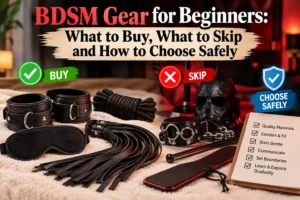
Overwhelmed by the options? Here’s a clear, simple starting point:
The Beginner’s First Three Items:
Add these next: 4. Submissive collar with D-ring 5. Wartenberg pinwheel 6. Suede flogger (with impact play safety study first)
When you’re comfortable and experienced: 7. Spreader bar 8. Bondage rope (after learning proper technique) 9. Ball gag (with non-verbal safeword system in place)
At LeatherBond, we offer a beginner bondage starter kit that includes wrist cuffs, a blindfold, and a collar everything you need to start exploring safely, in one discounted bundle.
Not at all. Many pieces of BDSM gear are designed specifically with beginners in mind. Wrist cuffs, blindfolds, and bondage tape require no prior experience. The key is starting with lower-risk items, understanding the safety basics, and building from there.
Bondage tape is the safest starting point it sticks only to itself and releases instantly. Padded leather wrist cuffs are the next step up. Both are low-risk and beginner-friendly. Avoid rope until you’ve studied proper technique.
You don’t need to spend a fortune, but don’t buy the cheapest option available either. A good pair of leather wrist cuffs in the £25–£45 range will last years. Cheap alternatives fail quickly and compromise safety. Think of quality gear as a one-time investment.
Buy from reputable BDSM-specific suppliers. Check for body-safe material certifications on items like gags. Inspect every item before each use look for fraying, cracking, rust, or sharp edges. Replace anything showing wear. Never use improvised household items as restraints.
Some items like fetish wear, certain sensation tools, and self-bondage equipment can be used alone. However, restraint gear of any kind is not recommended for solo use. If you become stuck in a restraint with no partner present, there is no safe exit. Self-bondage that restricts movement carries serious and documented risks.
Our most popular beginner items are the padded leather wrist cuffs, the adjustable play collar, and the soft suede blindfold. All three are handcrafted, body-safe, and designed for comfort and security. Browse our full BDSM accessories collection to find the right starting point for you.
BDSM gear ranges from simple and affordable to complex and highly specialized. What matters at every level is the same: quality materials, proper safety practices, clear communication and mutual consent.
Start simple. Learn the safety rules before you use any new piece of equipment. Build your kit gradually and invest in quality over quantity.
At LeatherBond, every piece of bondage equipment we stock is made with safety and craftsmanship as the baseline. Whether you’re buying your first pair of leather restraints or expanding a serious collection, our range is built for real people who take both pleasure and safety seriously.
Explore our full BDSM gear collection and build your kit the right way.